This website uses its own and third-party cookies to improve our services and show you advertising related to your preferences by analyzing your browsing habits. To give your consent to its use, press the Accept button.
Cookie preferences
Functional cookies
Technical
No
Yes
Description and cookies
Functional cookies are strictly necessary to provide the services of the shop, as well as for its proper functioning, so it is not possible to refuse their use. They allow the user to browse through our website and use the different options or services that exist on it.
| Cookie | Provider | Purpose | Expiry |
|---|---|---|---|
| PHP_SESSID | www.jamonarium.com | The PHPSESSID cookie is native to PHP and allows websites to store serialised status data. On the website it is used to establish a user session and to pass state data through a temporary cookie, which is commonly known as a session cookie. These Cookies will only remain on your computer until you close your browser. | Session |
| PrestaShop-# | www.jamonarium.com | This is a cookie used by Prestashop to store information and keep the user's session open. It stores information such as currency, language, customer ID, among other data necessary for the proper functioning of the shop. | 480 hours |
| rc::a | It is used to read and filter bot requests. | Persistent | |
| rc::c | It is used to read and filter bot requests. | Persistent |
Advertising Cookies
No
Yes
Description and cookies
These are cookies that collect information about the advertisements shown to users of the website. They can be anonymous, if they only collect information about the advertising spaces shown without identifying the user, or personalised, if they collect personal information about the user of the shop by a third party, for the personalisation of these advertising spaces.
| Cookie | Provider | Purpose | Expiry |
|---|---|---|---|
| ads/ga-audiences | These cookies are used by Google AdWords to re-engage visitors that are likely to convert to customers based on the visitor’s online behaviour across websites. | Session |
Analytics cookies
No
Yes
Description and cookies
Collect information about the user's browsing experience in the shop, usually anonymously, although sometimes they also allow the user to be uniquely and unequivocally identified in order to obtain reports on the user's interests in the products or services offered by the shop.
| Cookie | Provider | Purpose | Expiry |
|---|---|---|---|
| _ga | Registers a unique ID that is used to generate statistical data on how the visitor uses the website. | 2 years | |
| _gat | Used by Google Analytics to throttle request rate | 1 day | |
| _gat_gtag_UA_# | Used to throttle request rate. | 1 minute | |
| _gd# | This is a Google Analytics Session cookie used to generate statistical data on how you use the website which is removed when you quit your browser. | Session | |
| _gid | Registers a unique ID that is used to generate statistical data on how the visitor uses the website. | 1 day |
Excellent  4,9 / 5 (View the 19.185 reviews)


-
Ham
- Whole with bone
-
Boneless
- Cut in slices
- Whole sliced
- Ham types
-
Bellota Ibérico 100% Pata Negra Ham
-
Jabugo (Huelva) Ham
- Salamanca Hams
- Extremadura Hams
- Córdoba Hams
- .Jamón ecológico
- Bellota Ibérico 50% Ham
- Cebo de Campo ibérico Ham
- Cebo ibérico Ham
- Serrano Gran Reserva Ham
- Jamones Joselito
- Sausages
- Whole Dry-cured Sausage
- Sliced Dry-cured Sausage
- Iberico sausages
- León Sausages
-
Types of sausages
- Cheeses
- Whole cheese
- Cheese in portion
- Sheep Cheese
- Cow Cheeses
- Goat Cheeses
- Dry Cured Cheeses
- Semi Cured Cheeses
- Cheese Packs
-
Cheese Brands
- DO Idiazabal
- DO Roncal
- Sant Gil Albió
- Mas El Garet
- BETARA
- Viriato
- Zanetti
- Dorrea
- Beiardi
- HM
- Rosario Castaño
- Other cheese brands
- Gourmet
- Foie Gras & Pâtés
- Seafood
-
Spanish Canned Fish
- Breadsticks
- Tradicional Dishes
- Olives & Appetizers
- Pulses & Vegetables
- Sweets
- Packs with Gourmet Products
- Gourmet Cans in BOXES
- Gourmet - Brands
- Ramón Peña
- Mas Parés
- Agromar & Arbeyal
- Felipe II Shortbreads
- Imperia
- Mareterra Conservas
- Dardo
- Ortiz
- Sanfilippo
- Yurrita
- Marzo
- Casa Riera Ordeix
- Frinsa
- Ribeira
- Herpac
- Greco Foie Gras
- La Luna
- Los Peperetes
- Oil
- Arbequina
- Picual
- Coupage
- Hojiblanca
- Cornicabra
- Manzanilla
- Organic
- With aromas
- Vinegar and dressings
- Olive oil in BOX
- Olive oil in Cans
- Large Format Olive Oil
- Premium Olive Oil
- Olive Oils with Awards
- Olive Oil Packs
-
The best oil mills
- Almazaras de la Subbetica
- Más Tarrés (Olis Solé)
- Oro Bailen
- Cortijo de Suerte Alta
- Oro del Desierto
- Vergara BIO
- Wines
- Spanish red wine
- White wine
- Canned Wines
- Vinos Rosados
- Organic wines
- Sparkling wine (Cava & Champagne)
- Natural wine
- Classic wines
- Sangría
- Vermouth
- Whisky
- Wine packs
-
Wine BY BOX
- Price
- Origine
- D.O. Rioja
-
D.O. Ribera del Duero
- D.O. Priorat
- D.O. Somontano
- AOC Bordeaux
- D.O. Empordà
- D.O. Rias Baixas
- D.O. Bierzo
- D.O. Montsant
- D.O. Rueda
- D.O. Penedés
- D.O. Terra Alta
- D.O. La Mancha
- D.O. Cava
- Other D.O.
- Accessories
SearchSay something...
Nothing found. Please repeat.
Unsupported browser. Sorry...
WishListCart 0There are no more items in your cart
Blog navigationDifferences between 50% and 100% Iberian acorn-fed ham
Iberian acorn-fed ham is, without a doubt , the pinnacle of Iberian gastronomy. However, when buying an acorn-fed ham , a common question among food lovers arises: what is the difference between 50% and 100% Iberian acorn-fed ham?
We often tend to think that the percentage only indicates "more or less quality," but the reality is much richer and more nuanced. Both come from pigs fed on acorns and natural resources during the montanera season in the dehesas (pasturelands), but the animal's genetics make substantial differences in flavor, fat marbling, leg shape, and price .
In this guide prepared by the expert team at Jamonarium , we explain in detail everything you need to know about breed purity so you can choose the piece that best suits your taste.
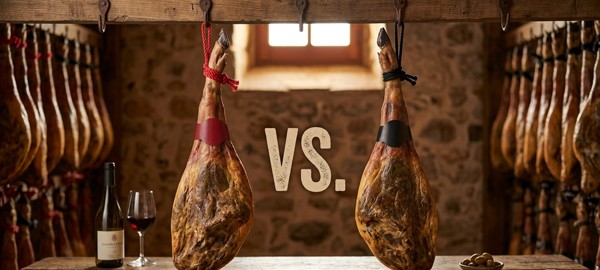
What do the labels on Jamón de Bellota mean? (Red Seal vs Black Seal)
To understand these differences, the first step is to learn about the Iberian Quality Standard . This law requires that each ham bear a tamper-evident seal on its shank, certifying its origin and feed.
- Black Seal (Pata Negra): Exclusively reserved for 100% Iberian acorn-fed ham . It indicates that both the father and mother of the pig are 100% Iberian breed and registered in the studbook.
- Red Seal: Identifies Iberian Acorn-Fed Ham (50% or 75% Iberian breed) . In this case, the mother is always 100% Iberian, but the father is of Duroc breed (in the case of 50%) or an Iberian/Duroc cross (in the case of 75%).
Both have enjoyed the freedom of the pastureland and have fattened up on acorns and natural grasses, but the genetic factor significantly modifies the final product.
What is the difference between the 50% Iberian breed and the 100% Iberian breed?
The fundamental difference lies in the crossbreeding. The 100% Iberian breed is native to the Iberian Peninsula, while the crossbreeding with the Duroc breed (of American origin) was introduced decades ago to provide certain productive and organoleptic advantages.
100% Iberian Acorn-Fed Ham (The authentic "Pata Negra")
It's the thoroughbred of the pastureland. It's a more slender animal, with fine legs and a long physique. Its metabolism is genetically adapted to store fat in a very particular way: it accumulates less visible intramuscular fat (fewer thick white streaks), but the fat it does have melts at a very low temperature, providing an intense, cured flavor with very deep nutty notes.
50% Iberian Acorn-Fed Ham (Crossbreed with Duroc breed)
It comes from a 100% Iberian mother and a 100% Duroc father. The Duroc breed contributes greater muscle mass and a glossy, highly visible marbling of fat . The slices of 50% Iberian ham are distinguished by their white streaks of fat running through the lean meat, providing exceptional juiciness when chewed.
Main differences between 50% and 100% Iberian acorn-fed ham
Next, we analyze point by point the four fundamental differences between both pieces:
1. The appearance and marbling of the meat
If you place two plates face to face, the visual difference is noticeable:
- In 100% Iberian ham: The meat has a darker, more uniform garnet-red color. Although it has melting fat, it doesn't have such pronounced white marbling . Its fat is so soft that it becomes almost translucent at room temperature.
- In the 50% Iberian variety: It has a bright pinkish-red color with abundant intramuscular fat marbling . Aesthetically, it is the typical "perfect marbling" ham that is very striking to the eye.
2. Morphology of the leg
When buying the whole piece, you can also distinguish them by their external shape:
- The 100% Ibérico has an extremely thin and elongated shank (the ankle), and the piece in general is more stylized.
- The 50% Iberian has a slightly thicker shaft and a somewhat more rounded and robust morphology thanks to the Duroc genetics.
3. Taste, aroma and texture in the mouth
- 100% Iberian acorn-fed ham: Its flavor is powerful, complex, very persistent on the palate, and with an unforgettable aged aftertaste. The fat literally melts on the tongue.
- 50% Iberian Acorn-Fed Ham: Offers a milder, mellow, and sweeter flavor. The abundance of marbling gives it an extremely juicy texture , ideal for those who prefer less intense or concentrated flavors.
4. The price
The higher meat yield and longer rearing time of 100% Iberian pigs result in higher production costs. Therefore, 100% Iberian acorn-fed ham (black label) is more expensive than 50% Iberian acorn-fed ham (red label).
Which is better to choose? 50% Bellota or 100% Ibérico?
There is no single "best" ham, but rather a perfect piece for every palate and occasion:
- Choose Jamón de Bellota 100% Ibérico if: You are looking for the ultimate purity of tradition, the pure intensity of Ibérico, a deep and complex flavor, or you want to give a top-class gourmet gift (the authentic Pata Negra).
- Choose Jamón de Bellota 50% Ibérico if: You prioritize juiciness, prefer a milder and more balanced flavor that the whole family will enjoy, or are looking to enjoy an extraordinary acorn-fed ham with an unbeatable quality-price ratio .
Frequently Asked Questions (FAQ) about Jamón de Bellota
Is all Pata Negra ham 100% Iberian? Yes. By law, the commercial term "Pata Negra" is only legally permitted to designate 100% acorn-fed Iberian hams (black label). It cannot be legally used for 50% acorn-fed hams or grain-fed hams.
Is there such a thing as 75% Iberian acorn-fed ham? Yes. 75% Iberian ham comes from the crossbreeding of a 100% Iberian mother and a 50% Iberian father. It also carries a red seal and falls somewhere between the 50% and 100% Iberian levels of intensity and juiciness.
Why does 50% Iberian pork have more marbling than 100% Iberian pork? This is due to the genetics of the Duroc breed, which has a high capacity for infiltrating lean fat between muscle fibers. 100% Iberian pork absorbs acorn fat differently, more integrated into the cellular tissue and less visible as thick bands.
Does the curing time affect the difference between one and the other? Yes. Since 100% Iberian hams tend to accumulate a different percentage of fat and are leaner, they require longer curing periods in natural cellars (which can exceed 36 or 48 months) to reach their optimal point of maturation.
At Jamonarium , we hand-select each of our hams from the finest cellars in Jabugo, Guijuelo, Extremadura, and Los Pedroches. Whether you prefer the deep intensity of the black label or the honeyed juiciness of the red label , in our online store you'll find the highest quality guarantee at the best price. Enjoy!
Related products
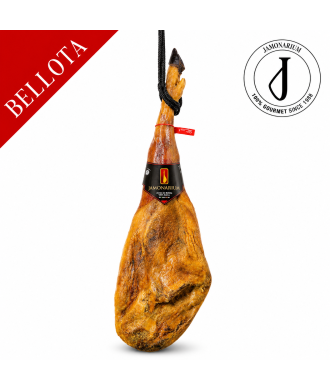
Ibérico Bellota Ham, 50% Iberian Breed
Price: €365.40(91)This Bellota Ibérico Ham, 50% Iberian Breed has been made in the area of...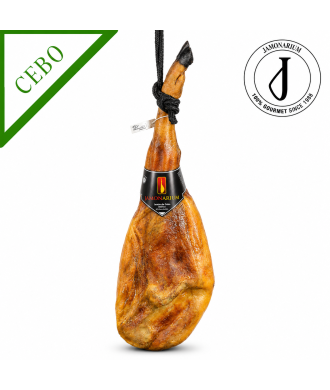
Ibérico Cebo Ham, 50% Iberian Breed
Price: €216.05(113)This Cebo Iberico Ham, 50% Iberian Breed has been made in the area of...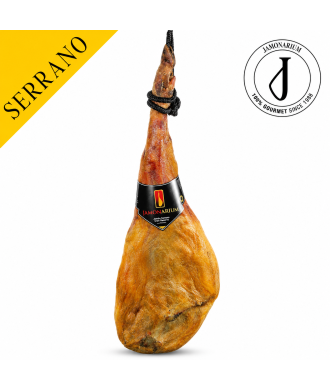
Gran Reserva Seleccion Ham, +20 months (whole)
Price: €152.15(151)This Gran Reserva Seleccion Ham and has more than 20 months of curying...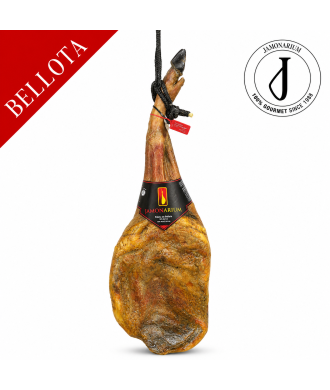
Ibérico Bellota Shoulder, 50% Iberian Breed
Price: €174.50(135)This Bellota Ibérico Shoulder, 50% Iberian Breed has been made in the area...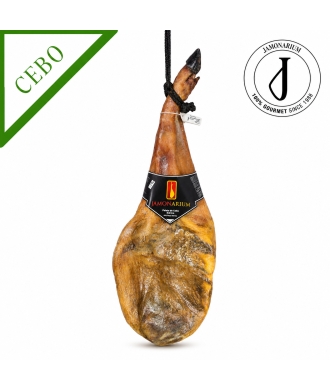
Ibérico Cebo Shoulder, 50% Iberian Breed
Price: €117.80(157)This Cebo Ibérico Shoulder Ham, 50% Iberian Breed has been made in the area...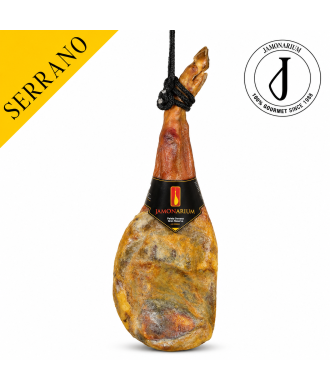
Gran Reserva Seleccion Shoulder, +15 months (whole)
Price: €69.35(193)This Gran Reserva Seleccion Shoulder (whole) and has more than 15 months of...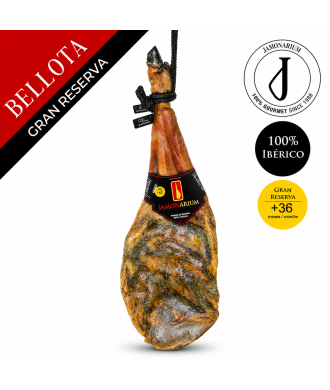
100% Ibérico Bellota Shoulder - Gran Reserva 3 years + 5.5Kg
Price: €254.00(31)This Bellota 100% Iberian Shoulder - Gran Reserva 3 years over 5.5kg has been...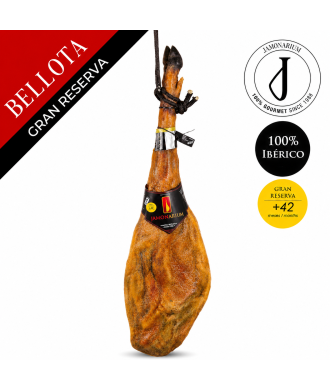
100% Ibérico Bellota Ham - Gran Reserva 4 years - 8-9kgs
Price: €625.00(30)This Bellota 100% Iberian Ham - Gran Reserva 4 years 8-9kgs has been made in...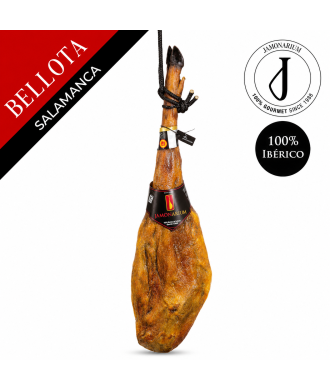
Ibérico Bellota Ham (Salamanca), 100% Iberian Breed - Pata Negra
Price: €494.45(78)This Bellota Ibérico Ham (Salamanca), 100% Iberian Breed - Pata Negra has...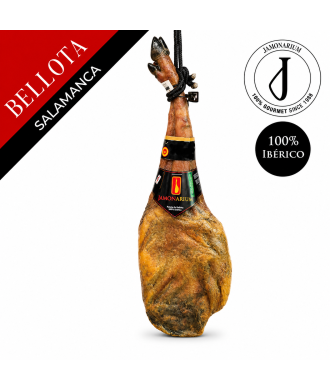
Ibérico Bellota Shoulder (Salamanca), 100% Iberian Breed - Pata Negra
Price: €197.10(151)This Bellota Ibérico Shoulder (Salamanca), 100% Iberian Breed - Pata Negra...
Ibérico Cebo de Campo Shoulder, 50% Iberian Breed
Price: €138.00(75)This Cebo de Campo Ibérico Shoulder Ham, 50% Iberian Breed has been made in...
Ibérico Bellota Ham (Huelva), 100% iberian Breed - Pata negra
Price: €599.38(41)This Ibérico de Bellota Ham (Huelva), 100% iberian Breed - Pata negra has...
Ibérico Bellota Shoulder (Huelva), 100% Iberian Breed - Pata negra
Price: €216.60(89)This Ibérico Bellota Shoulder (Huelva), 100% Iberian Breed - Pata negra has...
Ibérico Cebo de Campo Ham, 50% Iberian Breed
Price: €242.20(68)This Cebo de Campo Ibérico Ham, 50% Iberian Breed has been made in the area...
Ibérico Bellota ham Córdoba, Andalucía (Los Pedroches), 100% Iberian breed - Pata negra
Price: €494.45(53)The Iberico Bellota Ham (Los Pedroches, Córdoba), 100% Pata Negra Iberian...
Ibérico Bellota Shoulder (Extremadura), 100% Iberian Breed - Pata Negra
Price: €201.60(26)This Bellota Ibérico Shoulder (Extremadura), 100% Iberian Breed - Pata Negra...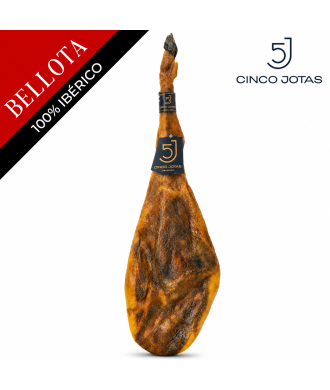
Cinco Jotas (5j) 100% Ibérico Bellota Jabugo ham
Price: €605.49(70)The 100% Iberico Bellota Cinco Jotas (5j) Jabugo ham pata negra comes from...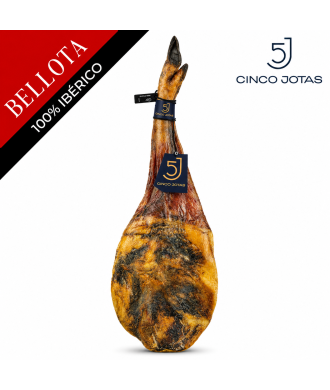
Cinco Jotas (5J) 100% ibérico Bellota Jabugo Shoulder
Price: €232.50(156)This Cinco Jotas (5J) Bellota 100% iberico Jabugo Shoulder has been made in...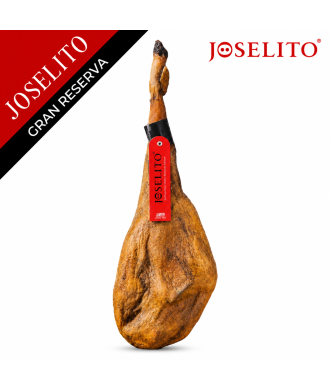
Joselito Gran Reserva Ham
Price: €650.30(31)Joselito Gran Reserva ham is considered the best ham in the world. Joselito...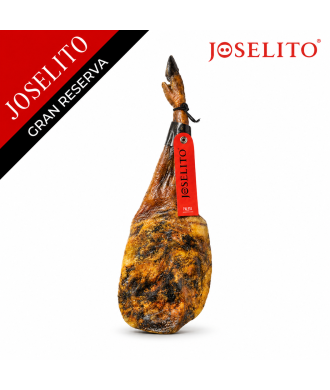
Joselito Gran Reserva Shoulder
Price: €271.70(67)Joselito Gran Reserva Shoulder is considered the best shoulder in the world....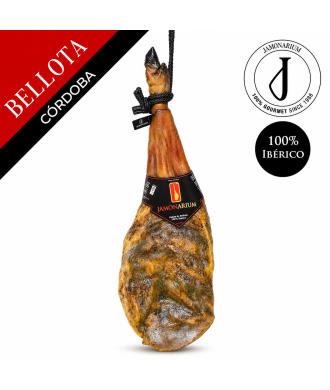
Ibérico Bellota Shoulder Córdoba, Andalucía (Los Pedroches), 100% Iberian Breed - Pata Negra
Price: €209.00(99)This Ibérico Bellota Shoulder (Los Pedroches, Córdoba), 100% Iberian Breed -...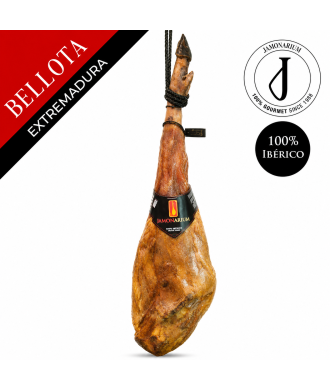
Ibérico de Bellota Ham (Extremadura), 100% iberian Breed - Pata negra
Price: €530.87(29)This Ibérico de Bellota Ham (Extremadura), 100% iberian Breed - Pata negra...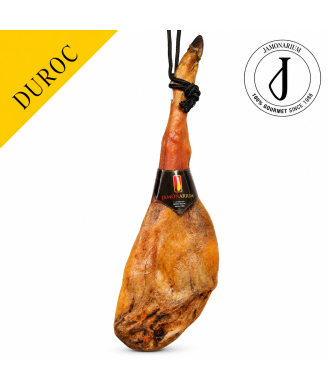
Ham 100% Duroc Gran Reserva
Price: €129.36(26)The 100% Duroc Gran Reserva Ham is a ham of the highest quality with a cure...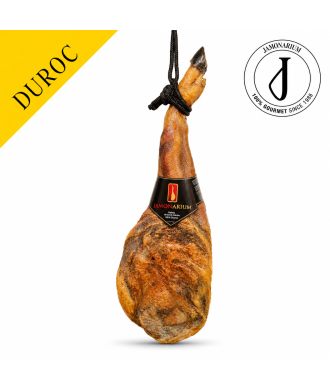
Shoulder 100% Duroc Gran Reserva
Price: €80.27(46)The 100% Duroc Gran Reserva Shoulder is a shoulder of the highest quality...
Cinco Jotas (5j) Shoulder 100% Iberico Bellota Jabugo (Maletin) 5-6 kg, WHOLE
Price: €269.00(1)Cinco Jotas (5j) Shoulder 100% Iberico Bellota Jabugo (Maletin) WHOLE 5-6 kg...
Teruel Ham (D.O.P Teruel) 22 months
Price: €196.20(21)The Teruel Ham holds the distinctive Teruel Denomination of Origin. This...
Alpujarra Ham without additives +20 months - Whole
Price: €159.80(14)This Ham de la Alpujarra Without Additives has been cured for more than +24...
Ibérico Bellota Shoulder 100% organic Iberian free from additives- Pata Negra
Price: €245.70(14)This 100% organic Acorn-fed Ibérico Paleta de Bellota has been cured using...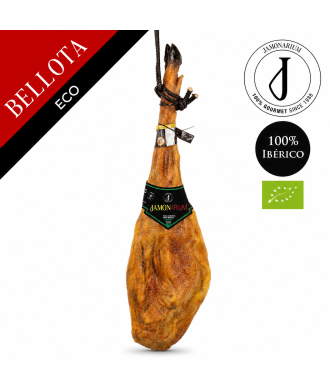
Ibérico Bellota Ham 100% Organic with no additives - Pata Negra
Price: €531.00(12)This Ibérico Bellota Ham 100% Organic with no additives - Pata Negra has...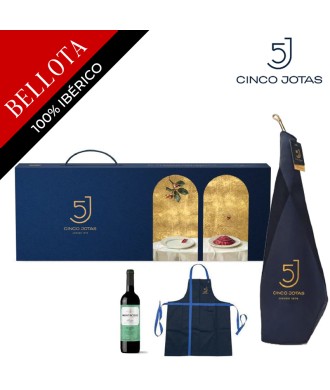
Cinco Jotas (5j) Ibérico Ham 100% Bellota 7-8 Kg WHOLE, (Maletín) Wine + Apron
Price: €715.00(2)This Cinco Jotas (5j) Ibérico Ham 100% Bellota 7-8 Kg WHOLE from Jabugo, as...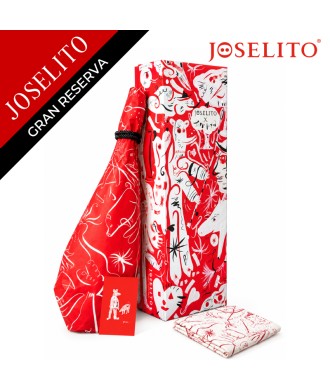
Joselito Gran Reserva Ham, 7–8 kg, Limited Edition by Jaime Hayon (includes gift box & tablecloth)
Price: €750.00Joselito Gran Reserva ham is considered the best ham in the world. Joselito...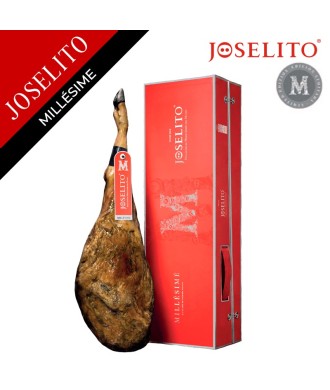
Joselito Millésime Limited Edition Ham 9-10kg
Price: €1,450.00(1)Joselito's vintages are classified into three levels according to their...
Gran Reserva Iberian Bellota Shoulder, 50% Iberian Breed, 3 years - 6 kgs
Price: €219.00(1)This Gran Reserva Iberian Acorn-Fed Shoulder Ham , 50% Iberian Breed, has...
Gran Reserva Iberian Bellota Ham, 50% Iberian Breed, 4 years - 9 kgs
Price: €512.00(1)This Gran Reserva Iberian Acorn-Fed Ham , 50% Iberian Breed, has been...
Joselito Vintage Limited Edition Ham 9-10kg
Price: €2,850.00The Pinnacle of Gourmet Luxury Discover the most exclusive and limited...
Ibérico Bellota ham, 50% iberian breed - BONELESS
Price: €462.95(19)Our Iberian Ham Bellota (Castilla y León or Andalucía) is one of our...
Ibérico Cebo Ham, 50% Iberian Breed - BONELESS
Price: €289.38(19)The boneless Iberian Cebo ham (Castilla y León or Andalucía) is the best...
Gran Reserva Seleccion Ham, +20 months - BONELESS
Price: €175.14(27)The boneless Gran Reserva Selection ham is the best option to enjoy at home...
Ibérico Bellota Shoulder, 50% Iberian breed - BONELESS
Price: €211.25(36)The boneless Bellota Iberian shoulder ham (Castilla y León or Andalucía) is...
Ibérico Cebo Shoulder, 50% Iberian Breed - BONELESS
Price: €142.78(31)The boneless Iberian Cebo shoulder (Castilla y León or Andalucía) is the...
Ibérico Bellota Shoulder, 50% Iberian Breed - BONELESS - Caña
Price: €119.82(17)The Bellota Iberico ham, 75% iberian breed boneless - Top part "caña"...
Ibérico Bellota Shoulder, 50% Iberian Breed - BONELESS - Punta
Price: €62.13(36)The 1/2 boneless Iberian Bellota Spanish shoulder ham (Castilla y León or...
Ibérico Cebo Shoulder, 50% Iberian Breed - BONELESS - Caña
Price: €74.97(18)The Cebo Iberico Shoulder, 50% Iberian Breed boneless - Top half (Castilla y...
Ibérico Cebo Shoulder, 50% Iberian Breed - BONELESS - Punta
Price: €57.93(19)The Cebo Iberico Shoulder, 50% Iberian Breed boneless - Bottom half (Castilla...
100% Ibérico Bellota Ham - Gran Reserva 4 years - BONELESS
Price: €645.00(10)Bellota 100% Iberian Ham - Gran Reserva 4 years - boneless 4-4.5Kg is the...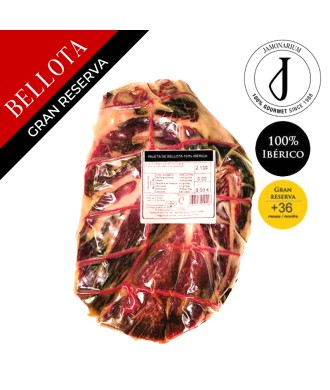
100% Ibérico Bellota Shoulder - Gran Reserva 3 years - BONELESS
Price: €294.00(7)The Bellota 100% Iberian Shoulder - Gran Reserva 3 years - boneless 2.5-3Kg...
Serrano Reserva Seleccion Shoulder, +15 months - BONELESS
Price: €92.25(68)The boneless Gran Reserva Selección shoulder is the best option to enjoy at...
Iberico Cebo de Campo Ham, 50% Iberian Breed - BONELESS
Price: €268.25(14)The Ibérico Spanish ham (Cebo de Campo) is the back leg of an Iberian pig...
Ibérico Cebo de Campo Shoulder, 50% iberian Breed - BONELESS
Price: €139.60(22)The Iberian Cebo de Campo shoulder (Castilla y León or Andalucía) is the...
Ibérico Bellota Shoulder (Huelva), 100% Iberian Breed - "Pata negra" - BONELESS
Price: €244.96(28)The Shoulder 100% Ibérico puro Bellota (Huelva) Pata Negra is a ham of the...
Ibérico Bellota Shoulder (Salamanca), 100% Iberian Breed - Pata Negra - BONELESS - Caña
Price: €103.75(27)The Ibérico Bellota Shoulder (Salamanca), 100% iberian Breed - Pata Negra...
Ibérico Bellota Shoulder (Salamanca), 100% Iberian Breed - Pata Negra - BONELESS - Punta
Price: €82.15(22)The Ibérico Bellota Shoulder (Salamanca), 100% iberian Breed - Pata Negra...
Ibérico Bellota Shoulder (Salamanca), 100% Iberian Breed - Pata Negra - BONELESS
Price: €217.36(47)The Ibérico Bellota Shoulder (Salamanca), 100% iberian Breed - Pata Negra...
Ibérico Cebo de Campo Shoulder, 50% Iberian Breed - BONELESS - Caña
Price: €87.96(14)The Cebo de Campo Iberico Shoulder, 50% iberian Breed boneless - Top half...
Ibérico Cebo de Campo Shoulder, 50% iberian Breed - BONELESS - Punta
Price: €80.63(13)The Cebo de Campo Iberico Shoulder, 50% iberian Breed boneless - bottom half...
Ibérico Bellota Shoulder (Huelva), 100% Iberian Breed - Pata negra - BONELESS - Caña
Price: €111.83(25)The Shoulder 100% Iberico de Bellota (Huelva) "Pata negra" boneless - top...
Ibérico Bellota Shoulder (Huelva), 100% Iberian Breed - Pata negra - BONELESS - Punta
Price: €122.98(23)The Shoulder 100% Iberico de Bellota (Huelva) "Pata negra" boneless - bottom...
Ibérico Bellota Ham (Huelva), 100% iberian Breed - Pata negra - BONELESS
Price: €581.70(12)The Ham 100% Ibérico puro Bellota (Huelva) Pata Negra boneless is a ham of...
Ibérico Bellota Ham (Salamanca), 100% Iberian Breed - Pata Negra - BONELESS
Price: €476.93(19)The 100% pure ibérico Bellota ham from Salamanca pata negra boneless is a...
Ibérico Bellota Ham, 50% Iberian Breed - BONELESS - Punta
Price: €249.60(4)Our Iberian Ham Bellota (Castilla y León or Andalucía) is one of our...
Ibérico Bellota Ham, 50% Iberian Breed - BONELESS - Caña
Price: €259.93(4)Our Iberian Ham Bellota (Castilla y León or Andalucía) is one of our...
Cinco Jotas (5j) 100% Ibérico Bellota Jabugo ham - BONELESS
Price: €691.35(7)The 100% Iberico Bellota Cinco Jotas (5j) Jabugo ham pata negra boneless...
Cinco Jotas (5J) 100% ibérico Bellota Jabugo Shoulder - BONELESS
Price: €239.00(29)This Cinco Jotas (5J) Bellota 100% iberico Jabugo Shoulder - BONELESS has...
Ibérico Bellota Shoulder (Extremadura), 100% Iberian Breed - Pata Negra - BONELESS
Price: €202.35(20)The Bellota (acorn) 100% pure Iberian shoulder Extremadura - Pata Negra...
Ibérico Bellota Shoulder (Extremadura), 100% Iberian Breed - Pata Negra - BONELESS - Punta
Price: €78.29(18)The Bellota (acorn) 100% pure Iberian shoulder Extremadura - Pata Negra...
Ibérico Bellota Shoulder (Extremadura), 100% Iberian Breed - Pata Negra - BONELESS - Caña
Price: €150.97(18)The Bellota (acorn) 100% pure Iberian shoulder Extremadura - Pata Negra...
Ibérico de Bellota Ham (Extremadura), 100% iberian Breed - Pata Negra - BONELESS
Price: €512.45(11)The Bellota (acorn) 100% pure Iberian Ham Extremadura - Pata Negra BONELESS...
Bellota Ibérico Ham (Salamanca), 100% Iberian Breed - Pata Negra - BONELESS - Caña
Price: €311.31(7)The Bellota Ibérico Ham (Salamanca), 100% Iberian Breed - Pata Negra -...
Ibérico Bellota Ham (Salamanca), 100% Iberian Breed - Pata Negra - BONELESS - Punta
Price: €268.85(16)The Bellota Ibérico Ham (Salamanca), 100% Iberian Breed - Pata Negra -...
Joselito Gran Reserva Shoulder - BONELESS
Price: €292.95(21)Joselito Gran Reserva Shoulder - boneless is considered the best shoulder in...
Joselito Gran Reserva Ham - BONELESS
Price: €875.25(7)Joselito Gran Reserva ham - boneless is considered the best ham in the...
Gold Bar (Lingote) Cinco Jotas 450gr
Price: €150.90(16)The Cinco Jotas (5j) ham Gold Bar is a 100% Iberian Bellota pata negra...
The Heart of 100% Iberico Bellota Ham, pure Umami 600gr
Price: €135.00(20)The Heart of 100% Iberico Bellota Ham is a block of ham made from 100%...
Teruel Ham (D.O.P Teruel) 22 months - BONELESS
Price: €229.43(11)The Teruel Ham holds the distinctive Teruel Denomination of Origin. This...
Ibérico Bellota Ham 100% Organic with no additives - Pata Negra - BONELESS
Price: €606.91(6)This 100% organic and additive-free acorn-fed acorn-fed ham boneless has been...
Alpujarra Ham without additives, + 20 months - BONELESS
Price: €192.50(2)This boneless Jamón from la Alpujarra, Granada, without additives has the PGI...
Ibérico Bellota Shoulder 100% organic Iberian free from additives- Pata Negra - BONELESS
Price: €262.80(7)This 100% organic Acorn-fed Ibérico Paleta de Bellota boneless has been cured...
Joselito Gran Reserva Shoulder in wooden box - BONELESS - CAJA MADERA
Price: €301.60(2)Joselito Gran Reserva Shoulder in wooden box - boneless is considered the...
Joselito Gran Reserva Ham in wooden box - BONELESS - CAJA MADERA
Price: €919.66Joselito Gran Reserva ham in wooden box - boneless is considered the best...
Ibérico Bellota Shoulder Córdoba, Andalucía (Los Pedroches), 100% Iberian Breed - Pata Negra - BONELESS
Price: €250.80(9)This Ibérico Bellota Shoulder 100% Iberian Breed - Pata Negra, has been made...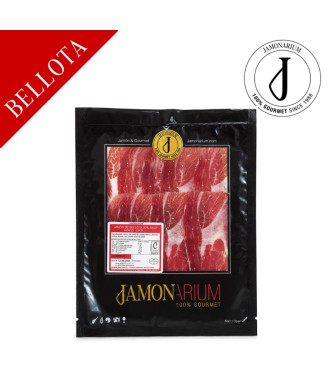
Bellota Iberico Ham, 50% Iberian breed sliced 100g
Price: €15.40(95)Our Iberian Ham Bellota 50% Iberian breed is one of our best-sellers and one...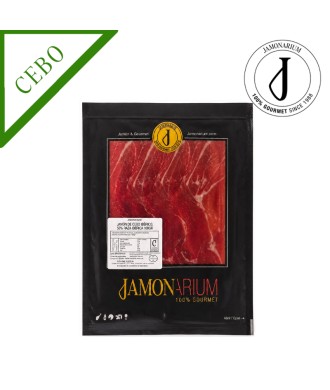
Cebo Iberico Ham, 50% Iberian Breed sliced 100g
Price: €9.20(55)The sliced Iberian ham (cebo) is presented in thin slices and vacuum-packed...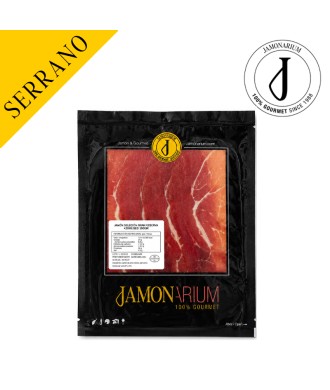
Gran Reserva Selección Ham, +20 months ham sliced 100g
Price: €6.40(85)The sliced Gran Reserva Selección ham is presented in thin slices and...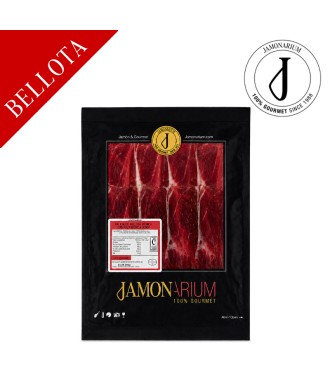
Bellota Iberico Shoulder, 50% Iberian Breed sliced 100g
Price: €11.80(114)Iberian Bellota shoulder ham sliced is the front leg of the iberian pig,...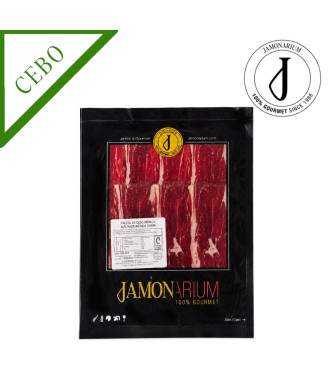
Cebo Iberico Shoulder, 50% Iberian Breed sliced 100g
Price: €8.60(83)This Cebo Ibérico Shoulder Ham, 50% Iberian Breed has been made in the area...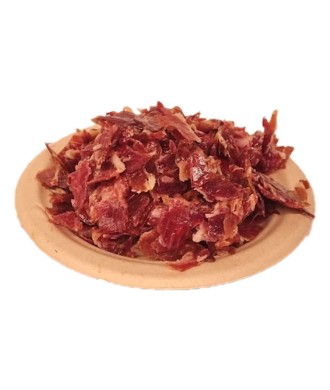
Iberico ham bits (150gr)
Price: €10.50(91)The iberico bits are the remaining ham still on the bone when it is boned....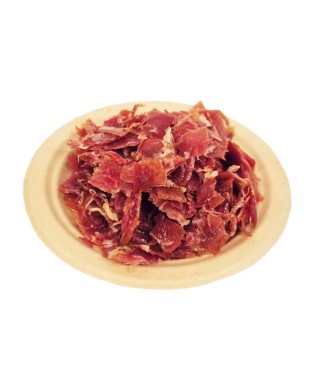
Gran Reserva Selección shoulder bits 150g
Price: €8.30(49)The ham bits of gran reserva selección shoulder are the remaining ham...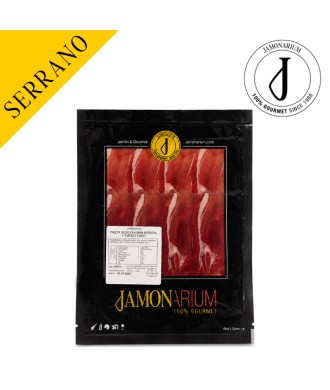
Gran Reserva Seleccion Shoulder, +15 months sliced 100g
Price: €5.20(82)The sliced Gran Reserva Selección shoulder is presented in thin slices and...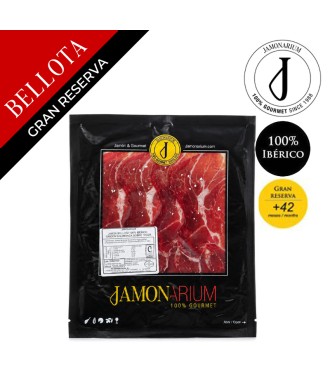
Bellota 100% Iberian Ham - Gran Reserva 4 years - sliced 100g
Price: €28.90(33)The Bellota 100% Iberian Ham - Gran Reserva 4 years - sliced 100g is a...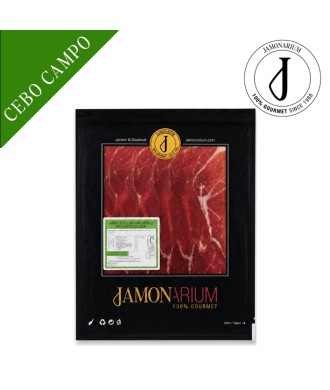
Cebo de Campo Iberico Ham, 50% Iberian Breed sliced 100g
Price: €11.20(29)The Iberian Spanish Cebo de Campo ham is the back leg of an Iberian pig...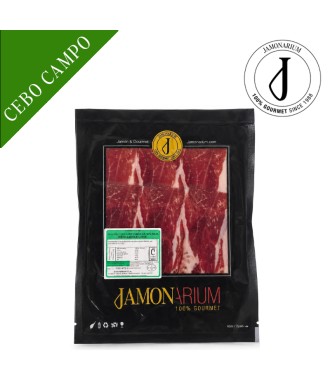
Cebo de Campo Ibérico Shoulder, 50% Iberian Breed sliced 100g
Price: €9.20(30)The Iberian Cebo de Campo shoulder is the foreleg of an Iberian pig raised...
Bellota 100% Iberian Shoulder - Gran Reserva 3 years - sliced 100g
Price: €19.90(10)Bellota 100% Iberian Shoulder - Gran Reserva 3 years - sliced 100g is the...
Ibérico Bellota Ham (Salamanca), 100% iberian breed - Pata Negra sliced 100g
Price: €22.50(81)The Bellota 100% Pure Iberian Ham ( Salamanca) "Pata Negra" sliced is a ham...
Bellota Iberico Shoulder (Salamanca), 100% iberian breed - Pata Negra sliced 100g
Price: €16.50(60)The Bellota 100% Ibérico "Pata Negra” Shoulder (Salamanca) is the product of...
Bellota Iberico Ham (Huelva), 100% iberian breed - Pata Negra sliced 100g
Price: €24.50(82)The Bellota 100% Pure Iberian Ham (Huelva) "Pata Negra" sliced is a ham of...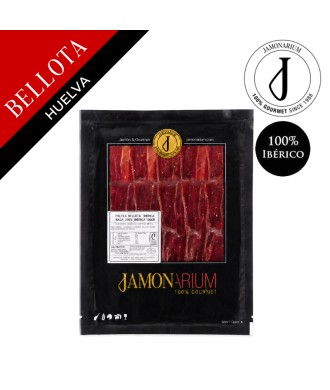
Bellota Ibérico Shoulder (Huelva), 100% Iberian Breed - Pata Negra sliced 100g
Price: €17.50(56)The Bellota 100% Ibérico "Pata Negra” Shoulder (Huelva) is the product of...
Iberico Bellota Cinco Jotas (5j) 100% Jabugo cut 80g
Price: €29.90(32)The Iberico Bellota Cinco Jotas (5j) 100% Jabugo ham sliced by traditionally...
Cinco Jotas (5J) Bellota 100% ibérico Jabugo Shoulder 80g
Price: €19.90(40)This Cinco Jotas (5J) Bellota 100% ibérico Jabugo Shoulder sliced by...
Joselito Gran Reserva Ham sliced 70g
Price: €27.90(19)Joselito Gran Reserva ham is considered the best ham in the world. Joselito...
Joselito Gran Reserva Shoulder sliced 70g
Price: €17.90(18)Joselito Gran Reserva Shoulder is considered the best shoulder in the world....
PACK 12 - Bellota Ibérico ham, 100% Iberian (Huelva) - Pata negra sliced 100g
Old price: €294.00 Price: €279.30 Discount: 5% Save up: -€14.70(3)
PACK 12 - Bellota Iberico Shoulder, 100% iberico (Huelva) - Pata negra sliced 100g
Old price: €210.00 Price: €199.50 Discount: 5% Save up: -€10.50(1)
Bellota 100% pure Iberian Shoulder (Extremadura) - Pata Negra sliced 100g
Price: €17.50(23)The Bellota (acorn) 100% pure Iberian shoulder Extremadura - Pata Negra...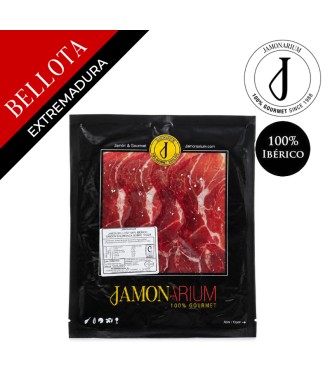
Bellota 100% pure Iberian Ham (Extremadura) - Pata Negra sliced 100g
Price: €23.90(19)The Bellota (acorn) 100% pure Iberian Ham Extremadura - Pata Negra sliced...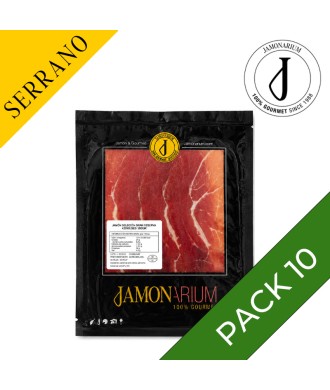
PACK 10 - Jamón Gran Reserva Selección, +20 meses cortado 100g
Old price: €64.00 Price: €60.80 Discount: 5% Save up: -€3.20(1)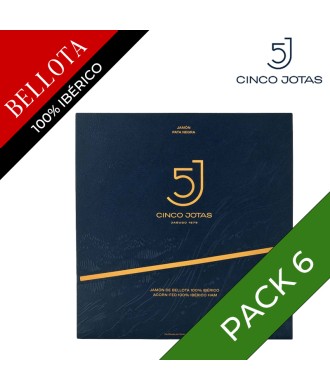
PACK x6 - 100% Iberico Bellota Cinco Jotas (5j) Jabugo ham sliced 80gr
Old price: €179.40 Price: €170.43 Discount: 5% Save up: -€8.97(2)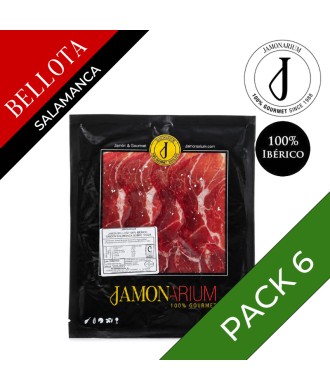
Pack x6 - Bellota Iberico Shoulder (Salamanca), 100% iberian breed - Pata Negra sliced 100g
Old price: €99.00 Price: €94.05 Discount: 5% Save up: -€4.95(6)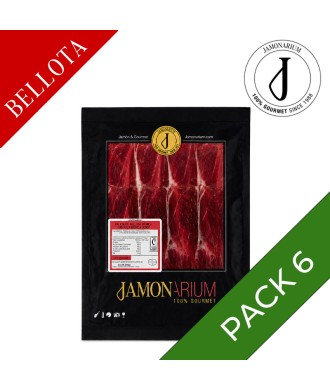
Pack x6 - Bellota Iberico Shoulder, 50% Iberian Breed sliced 100g
Old price: €70.80 Price: €67.26 Discount: 5% Save up: -€3.54(1)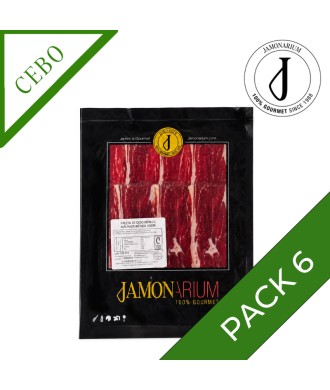
Pack x6 - Cebo Ibérico Shoulder, 50% Iberian Breed sliced 100g
Old price: €51.60 Price: €49.02 Discount: 5% Save up: -€2.58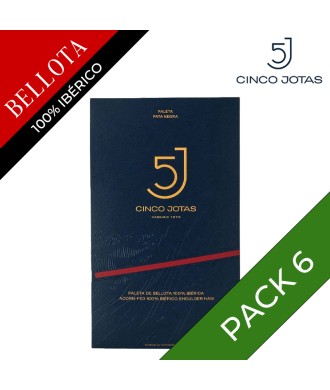
Pack x6 - Cinco Jotas (5J) Bellota 100% ibérico Jabugo Shoulder sliced by traditionally cut 80g
Old price: €119.40 Price: €113.43 Discount: 5% Save up: -€5.97(2)
Ritual of shoulder Cinco Jotas 5J sliced (whole)
Price: €348.00(6)This Cinco Jotas (5j) 100% Iberian Bellota Jabugo Shoulder whole sliced...
Ritual of ham Cinco Jotas 5J sliced (whole)
Price: €745.00(4)This Cinco Jotas (5j) 100% Iberian Bellota Jabugo Ham whole sliced...
PACK 12 - Bellota Iberico Shoulder, 50% Iberian Breed sliced 100g
Old price: €141.60 Price: €134.52 Discount: 5% Save up: -€7.08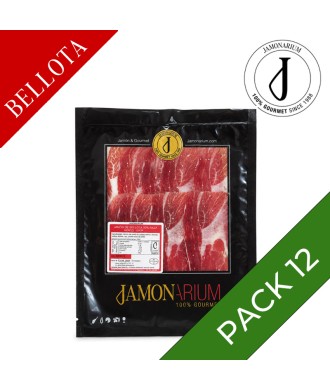
PACK 12 - Bellota Iberico Ham, 50% Iberian breed sliced 100g
Old price: €184.80 Price: €175.56 Discount: 5% Save up: -€9.24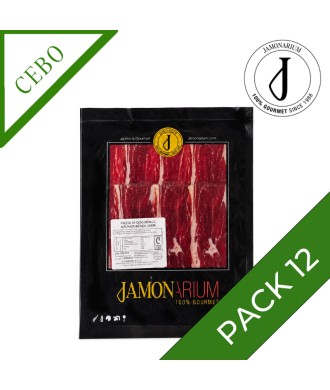
PACK 12 - Cebo Iberico Shoulder, 50% Iberian Breed sliced 100g
Old price: €103.20 Price: €98.04 Discount: 5% Save up: -€5.16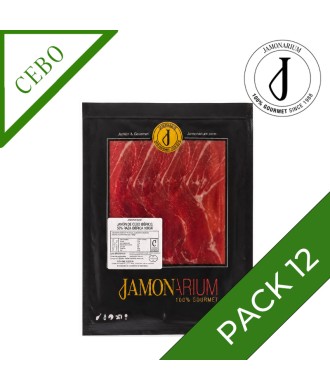
PACK 12 - Cebo Iberico Ham, 50% Iberian Breed sliced 100g
Old price: €110.42 Price: €104.90 Discount: 5% Save up: -€5.52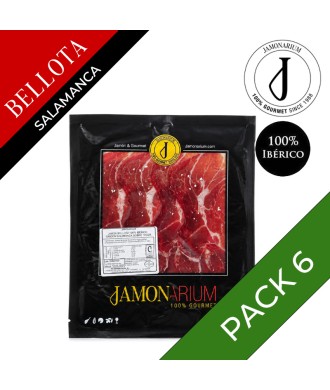
PACK 6 - Ibérico Bellota Ham (Salamanca), 100% iberian breed - Pata Negra sliced 100g
Old price: €135.00 Price: €128.25 Discount: 5% Save up: -€6.75
Joselito Vintage Blister Ham Sliced 70g
Price: €36.90(3)The Joselito Vintage Blister Cut Ham 70g, offers an exceptional gourmet...
Blind Tasting, The Jamonarium Game
Price: €39.90(5)Challenge your palate with Jamonarium's Blind Tasting Game! Are you a ham...
Pack x12 - Cinco Jotas (5J) Bellota 100% ibérico Jabugo Shoulder sliced 80gr
Old price: €238.80 Price: €226.86 Discount: 5% Save up: -€11.94(1)
PACK x12 - 100% Iberico Bellota Cinco Jotas (5j) Jabugo ham sliced traditionally cut 80g
Old price: €358.80 Price: €340.86 Discount: 5% Save up: -€17.94
Joselito Tasting Box
Price: €79.90Looking to try the best of Joselito? The Joselito Tasting Box offers an...
Bellota Iberico Shoulder 100% iberian breed, organic - Pata Negra sliced 70g
Price: €15.70(2)The 100% Iberian Organic Acorn-Fed Shoulder Ham - Pata Negra, sliced, 70g is...
Bellota Iberico Ham 100% iberian breed, organic - Pata Negra sliced 70g
Price: €21.60(3)100% Organic Iberian Acorn-Fed Ham - Pata Negra, 70g sliced is of the...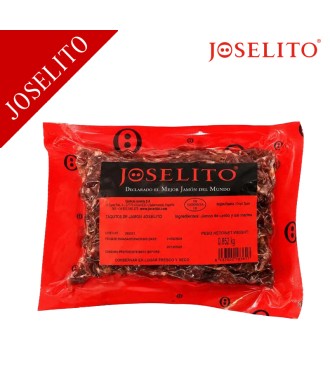
Joselito Ham Cubes
Price: €65.90Enjoy the unmistakable flavor of the world's finest ham . These Joselito ham...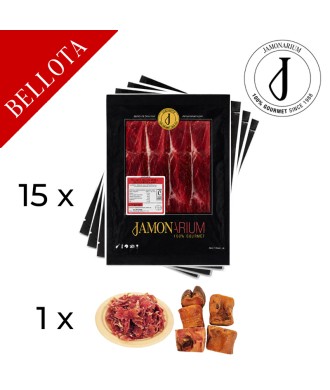
Bellota Iberico Shoulder, 50% Iberian Breed - WHOLE sliced
Old price: €191.50 Price: €172.35 Discount: 10% Save up: -€19.15(12)Whole Bellota iberian shoulder ham whole sliced. Comfortable and ideal...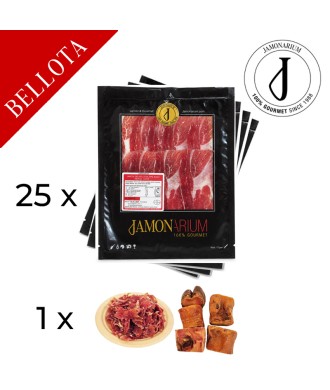
Bellota Iberico Ham, 50% Iberian Breed - WHOLE sliced
Old price: €399.50 Price: €359.55 Discount: 10% Save up: -€39.95(10)Whole sliced Spanish iberian Bellota ham is ship with the bone and cut into...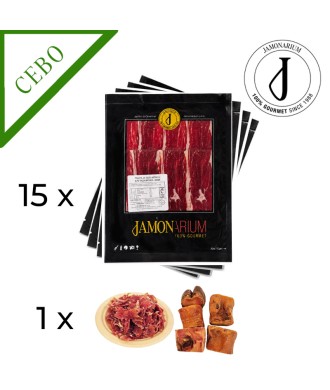
Cebo Iberico Shoulder, 50% Iberian Breed - WHOLE sliced
Old price: €143.50 Price: €129.15 Discount: 10% Save up: -€14.35(19)Iberico de cebo shoulder whole sliced, boneless and cut into slices....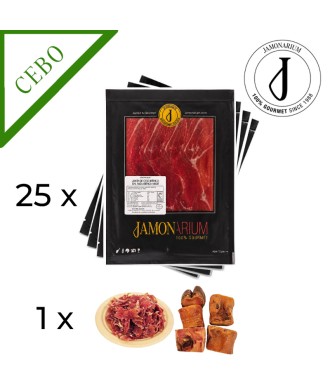
Cebo Iberico Ham, 50% Iberian Breed - WHOLE sliced
Old price: €244.54 Price: €220.08 Discount: 10% Save up: -€24.45(1)Whole Spanish iberian ham whole sliced. Comfortable and ideal format to...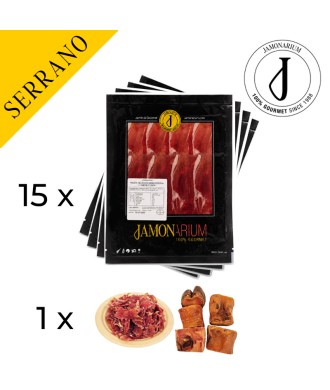
Gran Reserva Seleccion Shoulder, +15 months - WHOLE sliced
Old price: €90.30 Price: €81.27 Discount: 10% Save up: -€9.03(13)Whole Gran reserva Selección shoulder ham sliced. Comfortable and ideal...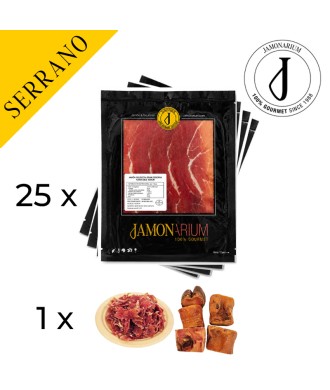
Gran Reserva Seleccion Ham, +20 months - WHOLE sliced
Old price: €172.30 Price: €155.07 Discount: 10% Save up: -€17.23(9)Whole Gran reserva selection sliced ham. Comfortable and ideal format to...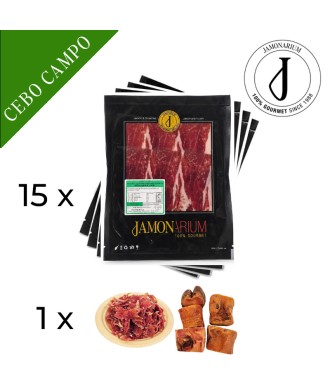
Cebo de Campo Iberico Shoulder, 50% Iberian Breed - WHOLE Sliced
Old price: €152.50 Price: €137.25 Discount: 10% Save up: -€15.25(2)The Iberian Cebo de Campo shoulder whole sliced is the foreleg of an Iberian...
Iberico Bellota Shoulder (Salamanca), 100% iberian breed - Pata Negra WHOLE sliced
Old price: €262.00 Price: €235.80 Discount: 10% Save up: -€26.20(6)The Bellota 100% Ibérico "Pata Negra” Shoulder (Salamanca) is the product of...
Cebo de Campo Iberico Ham, 50% Iberian Breed - WHOLE sliced
Old price: €294.50 Price: €265.05 Discount: 10% Save up: -€29.45(4)The Iberian Spanish ham (Cebo de Campo) whole sliced is the back leg of an...
Bellota Iberico Ham (Salamanca), 100% iberian breed - Pata Negra WHOLE sliced
Old price: €577.00 Price: €519.30 Discount: 10% Save up: -€57.70(10)The Bellota 100% Pure Iberian Ham ( Salamanca) "Pata Negra" whole sliced is...
Bellota Iberico Ham (Huelva), 100% Iberian Bellota - Pata Negra WHOLE sliced
Old price: €627.00 Price: €564.30 Discount: 10% Save up: -€62.70(1)The Bellota 100% Pure Iberian Ham (Huelva) "Pata Negra" whole sliced is a...
Bellota 100% Iberian Ham - Gran Reserva 4 years - WHOLE sliced
Old price: €1,026.00 Price: €923.40 Discount: 10% Save up: -€102.60(5)Bellota 100% Iberian Ham - Gran Reserva 4 years (2017) - WHOLE sliced is sent...
Bellota Iberico Shoulder (Huelva), 100% Iberian Bellota - Pata Negra WHOLE sliced
Old price: €277.00 Price: €249.30 Discount: 10% Save up: -€27.70(2)The Bellota 100% Pure Iberian Shoulder (Huelva) "Pata Negra" whole sliced is...
Bellota 100% pure Iberian Shoulder (Extremadura) - Pata Negra WHOLE sliced
Old price: €277.00 Price: €249.30 Discount: 10% Save up: -€27.70(2)The Bellota (acorn) 100% pure Iberian shoulder Extremadura - Pata Negra is...
Bellota 100% pure Iberian Ham (Extremadura) - Pata Negra WHOLE sliced
Old price: €612.00 Price: €550.80 Discount: 10% Save up: -€61.20(2)The Bellota (acorn) 100% pure Iberian Ham Extremadura - Pata Negra is...
Ibérico Bellota Shoulder Córdoba, Andalucía (Los Pedroches), 100% Iberian Breed - Pata Negra - BONELESS - Punta
Price: €76.81(6)This Ibérico Bellota Shoulder 100% Iberian Breed - Pata Negra, has been made...
Ibérico Bellota Shoulder Córdoba, Andalucía (Los Pedroches), 100% Iberian Breed - Pata Negra - BONELESS - Caña
Price: €164.60(4)This Ibérico Bellota Shoulder 100% Iberian Breed - Pata Negra, has been made...
Sliced Lomo Joselito 70 g
Price: €14.90(6)The Sliced Lomo Joselito is from the area of Salamanca. The pig has been...
Joselito sliced Chorizo 70 g
Price: €9.90(7)The Joselito sliced Chorizo is from the area of Salamanca. The pig has been...
Sliced Salchichón Joselito 70 g
Price: €9.90(6)The Sliced Salchichón Joselito is from the area of Salamanca. The pig has...

Lote Degustación Loncheados Ibéricos Bellota Joselito
Price: €80.50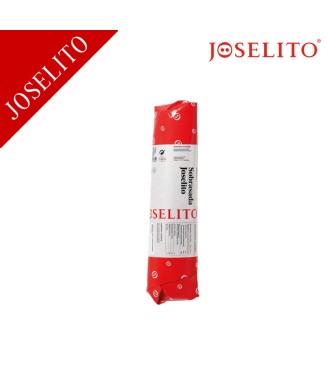
Joselito Sobrasada
Price: €27.90The secret of Joselito Iberian Sobrasada lies in its origin: it is made...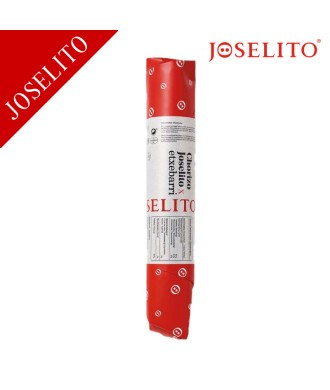
Chorizo Joselito x Etxebarri
Price: €19.90This limited edition is born from the masterful meeting between Joselito's...Related posts
 Joselito, ¿el mejor jamón del mundo?
02/07/20241022 LikesHoy hablaremos de un jamón iberico que se autoproclama como el mejor como “El Mejor Jamón Iberico del Mundo”....Read more
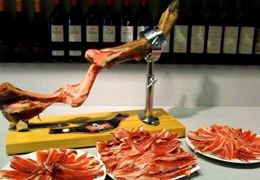 How can we use serrano and ibérico bellota spanish ham bone?
28/02/2018755 LikesAmong gastronomy, cookers and gourmet fooding lovers; it is well known the bone of iberico de bellota and serrano...Read more
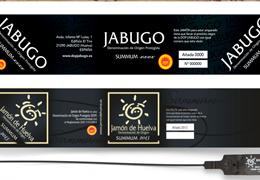 The D.O. Huelva hams become DO Jabugo
12/03/20181889 LikesOne of the great ham events on 2017 is the change of name of DO Huelva, which became DO Jabugo. This change includes...Read more
 The salting of Ibérico ham: the key of the salt
11/04/2018494 LikesThe salting Ibérico ham process is one the most important steps in the elaboration process. This is a delicate...Read more
 Where does the idea of Christmas Hampers come from?
Posted in: Christmas hampers04/12/2017743 LikesThere are customs that we preserve, convinced that they are typical for our land and Spanish culture. A strong...Read more
 Sorts of Iberian Ham: we clear it up
27/01/20182056 LikesEvery Iberian ham is normally known as Jamón de Jabugo or Jamón de Pata Negra without taking into account the purity...Read more
Chat with us on WhatsApp
Call us or leave your details and we'll call you back asap
- Price
- Cheeses
-
Jabugo (Huelva) Ham