Diese Website verwendet eigene Cookies und Cookies von Drittanbietern, um unsereDienste zu verbessern. Und zeigen Sie Werbung in Bezug auf Ihre Vorlieben, indem Sie Ihre Gewohnheiten analysieren navigation. Um Ihre Zustimmung zu seiner Verwendung zu geben, klicken Sie auf die Schaltfläche Akzeptieren.
Cookie-Einstellungen
Funktionale Cookies
Technisch
Nein
Ja
Beschreibung und Kekse
Funktionale Cookies sind für die Bereitstellung der Dienste des Shops sowie für den ordnungsgemäßen Betrieb unbedingt erforderlich, daher ist es nicht möglich, ihre Verwendung abzulehnen. Sie ermöglichen es dem Benutzer, durch unsere Website zu navigieren und die verschiedenen Optionen oder Dienste zu nutzen, die auf dieser vorhanden sind.
| Keks | Anbieter | Zweck | Verfallsdatum |
|---|---|---|---|
| PHP_SESSID | www.jamonarium.com | Das PHPSESSID-Cookie ist PHP nativ und ermöglicht es Websites, serialisierte Statusdaten zu speichern. Auf der Website wird es verwendet, um eine Benutzersitzung aufzubauen und Statusdaten durch ein temporäres Cookie zu übergeben, das allgemein als Sitzungscookie bekannt ist. Diese Cookies verbleiben nur auf Ihrem Computer, bis Sie den Browser schließen. | Sitzung |
| PrestaShop-# | www.jamonarium.com | Es ist ein Cookie, das Prestashop verwendet, um Informationen zu speichern und die itzung des Benutzers offen zu halten. Ermöglicht das Speichern von Informationen wie Währung, Sprache, Kundenkennung und anderen Daten, die für das ordnungsgemäße Funktionieren des Shops erforderlich sind. | 480 stunden |
| rc::a | Es wird verwendet, um Bot-Anfragen zu lesen und zu filtern. | Hartnäckig | |
| rc::c | Es wird verwendet, um Bot-Anfragen zu lesen und zu filtern. | Hartnäckig |
Werbe-Cookies
Nein
Ja
Beschreibung und Kekse
Sie sind diejenigen, die Informationen über die Anzeigen sammeln, die den Benutzern der Website angezeigt werden. Sie können anonym sein, wenn sie nur Informationen über die angezeigten Werbeflächen sammeln, ohne den Benutzer zu identifizieren, oder personalisiert, wenn sie personenbezogene Daten des Benutzers des Shops durch einen Dritten sammeln, um diese Werbeflächen zu personalisieren.
| Keks | Anbieter | Zweck | Verfallsdatum |
|---|---|---|---|
| ads/ga-audiences | Diese Cookies werden von Google AdWords verwendet, um Besucher wieder einzubeziehen, die aufgrund des Online-Verhaltens des Besuchers auf verschiedenen Websites wahrscheinlich zu Kunden werden. | Session |
Analyse-Cookies
Nein
Ja
Beschreibung und Kekse
Sie sammeln Informationen über das Surferlebnis des Benutzers im Geschäft, normalerweise anonym, obwohl sie manchmal auch eine eindeutige und eindeutige Identifizierung des Benutzers ermöglichen, um Berichte über die Interessen der Benutzer an den angebotenen Produkten oder Dienstleistungen zu erhalten. der Laden.
| Keks | Anbieter | Zweck | Verfallsdatum |
|---|---|---|---|
| _ga | Registriert eine eindeutige ID, die verwendet wird, um statistische Daten dazu, wie der Besucher die Website nutzt, zu generieren. | 2 Jahre | |
| _gat | Wird von Google Analytics verwendet, um die Anforderungsrate einzuschränken | 1 Tag | |
| _gat_gtag_UA_# | Wird verwendet, um die Anforderungsrate zu drosseln. | 1 Minute | |
| _gd# | Dies ist ein Google Analytics-Sitzungscookie, mit dem statistische Daten zur Nutzung der Website generiert werden, die beim Beenden Ihres Browsers entfernt werden. | Session | |
| _gid | Registriert eine eindeutige ID, die verwendet wird, um statistische Daten dazu, wie der Besucher die Website nutzt, zu generieren. | 1 Tag |
Ausgezeichnet  4,9 / 5 (Siehe 18.841 Bewertungen)



-
Schinken
- Ganze
-
Knochenlose
- Geschnittene (Scheiben)
- Ganze Geschnittene
- Arten Von Schinken
-
Schinken Bellota 100% Ibérico Pata Negra
-
Jabugo (Huelva) Schinken
- Salamanca Schinken
- Extremadura Schinken
- Córdoba Schinken
- .Jamón ecológico
- Bellota Ibérico 50% Schinken
- Cebo de Campo ibérico Schinken
- Cebo ibérico Schinken
- Serrano Gran Reserva Schinken
- Jamones Joselito
- Wurstwaren
- Vollständige Wurstwaren
- In Scheiben geschnittene
- Iberische Würste
- Leon Würstchen
-
Arten von Wurstwaren
- Käse
- Vollständige Käse
- Portionkäse
- Schafskäse
- Kuhkäse
- Ziegenkäse
- Trockener Käse
- Halbgehärteter Käse
- Käsepakete
-
Käsemarken
- DO Idiazabal
- Sant Gil Albió
- Mas El Garet
- Viriato
- Zanetti
- Dorrea
- Beiardi
- Rosario Castaño
- Andere Marken von Käse
- Gourmet
- Pasteten und Foie gras
- Meeresfrüchte
-
Fischkonserven
- Grissini
- Spanische Traditionelle Gerichte
- Oliven & Vorspeisen
- Hülsenfrüchte & Gemüse
- Süßwaren
- Gourmet-Produktpakete
- Gourmet-Konserven von BOXES
- Gourmet - Brands
- Ramón Peña
- Mas Parés
- Agromar & Arbeyal
- Felipe II Shortbreads
- Imperia
- Mareterra Conservas
- Dardo
- Ortiz
- Yurrita
- Marzo
- Casa Riera Ordeix
- Frinsa
- Ribeira
- Herpac
- Greco Foie Gras
- La Luna
- Los Peperetes
- Bodega Coruña del Conde
- Pago de los Capellanes
- Olivenöl
- Arbequina
- Picual
- Coupage
- Hojiblanca
- Cornicabra
- Manzanilla
- Bio-Olivenöl
- Mit Aromen
- Essig und Saucen
- Olivenöl von BOX
- Olivenöl in Dosen
- Großformatiges Olivenöl
- Olivenöl Premium
- Olivenöl mit Auszeichnungen
- Olivenölpackungen
-
Die besten Ölmühlen
- Almazaras de la Subbetica
- Más Tarrés (Olis Solé)
- Oro Bailen
- Cortijo de Suerte Alta
- Oro del Desierto
- Vergara BIO
- Wein
- Rotwein
- Weißwein
- Dosenweine
- Vinos Rosados
- Bio-Weine
- Schaumwein (Cava & Champagne)
- Naturwein
- Klassische Weine
- Sangría
- Wermut
- Whisky
- Wein packs
-
Wein VON BOX
- Kisten mit Rotwein
- Kisten für Weißwein
- Kisten mit Roséwein
- Kisten mit Cava
- Wermut-Boxen
- Sangria-Boxen
- Price
- Origine
- D.O. Rioja
-
D.O. Ribera del Duero
- D.O. Priorat
- D.O. Somontano
- AOC Bordeaux
- D.O. Empordà
- D.O. Rias Baixas
- D.O. Bierzo
- D.O. Montsant
- D.O. Rueda
- D.O. Penedés
- D.O. Terra Alta
- D.O. La Mancha
- D.O. Cava
- More D.O.
- Zubehör
SucheEtwas zu sagen...
Nichts wurde gefunden.
Browser nicht unterstützt.
WunschlisteWarenkorb 0Es gibt keine weiteren Artikel in Ihrem Warenkorb
Blog navigationWas sind die am häufigsten verwendeten aromatischen Kräuter in der Gastronomie?
Today we talk about the main aromatic herbs used in gastronomy. Do not confuse them with spices, since while these tend to be the hard parts of the seeds, barks or roots of native plants from tropical regions of Asia (ground or grain), herbs are leaves of a plant or tree.
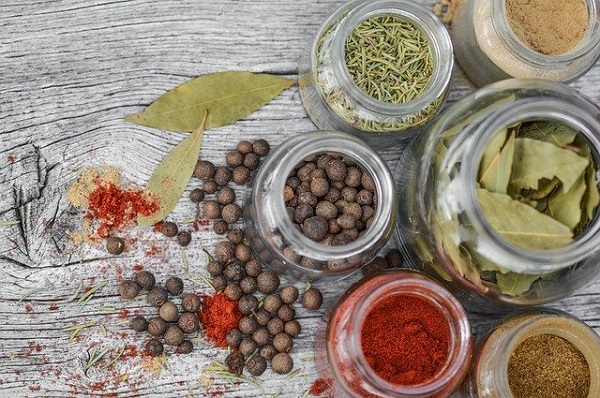
As you know, both are used since ancient times. In fact, there was a prominent route in the oldest East civilizations dedicated to the spice trade before the Christian era.
In addition to using them as a means to preserve and improve the taste of food, they provide various benefits such as improving digestive processes. Today its use remains mostly the same, although there is still creating innovative culinary combinations. Today we will focus on the most renowned herbs in cooking and another day we will review the main spices. Let’s start!
-
Basil: It has a mild and sweet taste. Both fresh and dried, it is a perfect complement to recipes where the tomato is the main ingredient as usually happens in Mediterranean cuisine. It also combines perfectly with peppers, aubergine, tomatoes, courgette, chicken, beef, fish and tofu. Use it in pestos, tomato sauces, soups, stews, sauteed and curries.
-
Laurel: It is a tree may reach up to three meters high. Laurel leaves are usually mixed with garlic to make stews of meat or fish, soups and sauces.
-
Tarragon: It is the main ingredient of fine herbs and it has a very peculiar flavor that must be used with subtlety. It usually appears in sauces and vinaigrettes, as well as prepared with chicken, duck or liver. It also combines with artichokes, carrots, leeks, mushrooms, potatoes, spinach, chicken, veal, lamb and fish. Use it in omelettes, gazpachos, salad dressings and to give the final touch to stews of meat and vegetables. Once cutted, it may stored for up to 15 days in a glass of water in the fridge.
-
Dill: It comes from the parsley family. It is often used in Nordic countries. You can find it in dishes whose main ingredient is fish, although it also enhances the taste of eggs, salads, sauces and soups. Use it with cabbages, potatoes, cucumbers, carrots, peas, tomatoes, fish and seafood, sauces with yogurt and salad dressings.
-
Chive: It has a more subtle and discreet flavor than onion. It goes perfect with potatoes, asparagus, onions, leeks, chicken, fish, seafood and eggs. It may be used to aromatize butter, fresh and cottage cheese. You can use it in soups, sauces, risottos and rice. Like many of these herbs, it is advisable to add the leaves at the end of the preparation so that they do not lose their flavor.
-
Coriander: Its flavor is peculiar, loved and hated in equal parts. With spicy and oily leaves, it goes well with pork, poultry, roasted fish, salads, sauces and stews. Use it in sauces, soups, guacamole, curries, chutneys, pickles and salads.
-
Parsley: It has a fresh and herbal flavor. It combines well with fish, seafood, red meat, poultry, legumes, eggs, soups, doughs and sauces. Use it in sauces and salads.
-
Rosemary: It has a slightly woody taste that makes it ideal to accompany pork, lamb, kid, rabbit and poultry. It gives a characteristic flavor to roasted potatoes and may be used to flavor butters, sauces, oils and vinegars. The leafless bouquets are excellent for improving the flavor of the chicken, adding them at the beginning of cooking and removing them before serving. Use it in Italian breads such as focaccia, tomato sauces, pizzas, soups, stews and grilled vegetables.
-
Oregano: An Italian classic. Combine with artichokes, peppers, aubergines, potatoes, courgette, chicken, veal, lamb and fish. Use it in tomato sauces, pizzas and salad dressings.
-
Thyme: Its use for seasoning is very similar to that given to rosemary. Goes well with carrots, peas, potatoes, pumpkins, courgettes, tomatoes, chicken, pork, duck and fish. Use it in spreads, sauces, stews, rice and grilled meats and vegetables.
-
Citronela: It is also known as lemon grass and is very popular in Southeast Asian cuisine (along with coriander). It has a marked citrus flavor. Combine well with tomatoes, peppers, chicken, beef, pork, fish and seafood, as long as you want to give an exotic touch.
-
Mint: This strong-tasting herb accompanies well both lamb and pork meat. You can use it in salads, with vegetables, soups, sauces, various fruits, fish and to give a different touch to seafood. You will also see it in ice cream and sweets, and of course, with drinks such as mojito.
-
Sage: It has a slight woody taste. You can use it in fillings, salad dressings, soups, risottos and grilled vegetables. It also goes perfectly with Brussels sprouts, courgettes, peas and different meats such as pork, veal and turkey.
-
Pennyroyal: It belongs to the mint family. It is widely used in Portuguese cuisine, where it is used instead of coriander. It is added to soups and cod dishes, although it is also a good seasoning for pork and chicken. We give it a main use as an infusion.
-
Lemon balm: It has a powerful lemon smell, which is used to flavor fish and stews. You can also see it in punches, fruit juices, salads, ice cream and infusions.
As you will see, many of these aromatic herbs are included in most dishes that you consume almost daily, so we hope this list will help you to know in depth the most recommended use you should make of them.
See you in the next post!
Ähnliche Produkte

Ibérico Bellota Schinken, 50% Iberische Rasse
Preis:378,00 €(91)Die mit Iberischer Bellota Schinken, 50% Iberische Rasse, wurde in der...
Ibérico Cebo Schinken, 50% iberische Rasse
Preis:216,05 €(113)Die mit Ibérico Cebo Schinken, 50% iberische Rasse, wurde in der Gegend von...
Gran Reserva Selección Schinken, +20 Monate (ganzer)
Preis:134,25 €(150)Die mit Gran Reserva Selección Schinken, und hat eine Reifezeit von 20...
Ibérico Bellota Vorderschinken, 50% iberische Rasse
Preis:191,95 €(135)Die mit Ibérico Bellota Vorderschinken, 50% iberische Rasse, wurde in der...
Ibérico Cebo Vorderschinken, 50% iberische Rasse
Preis:117,80 €(157)Die mit Iberica Cebo Vorderschinken, 50% iberische Rasse, wurde in der...
Ibérico Cebo Vorderschinken, 50% iberische Rasse - OHNE KNOCHEN
Preis:127,88 €(31)Der Iberischer Freilandschwein "Cebo" Vorderschinken ohne Knochen (Castilla...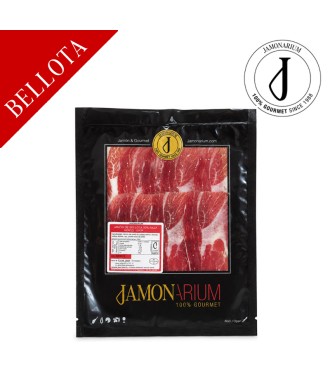
Iberischer Bellota-Schinken, 50% iberische Rasse geschnitten 100g
Preis:15,40 €(95)Our Iberian Ham Bellota 50% Iberian breed is one of our best-sellers and one...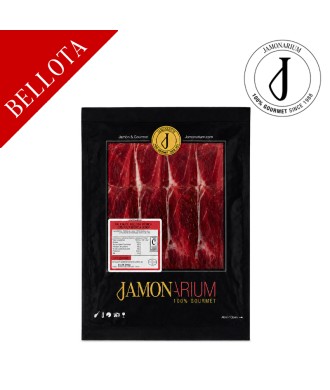
Iberische Bellota-Schulter, 50% iberische Rasse geschnitten 100g
Preis:11,80 €(109)Der Iberische Bellota Eichel-Vorderschinken ist ein Spitzenprodukt der...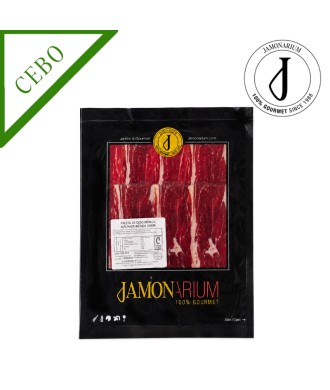
Iberische Cebo Palette, 50% iberische Rasse geschnitten 100g
Preis:8,60 €(82)Die mit Iberica Cebo Vorderschinken, 50% iberische Rasse, wurde in der...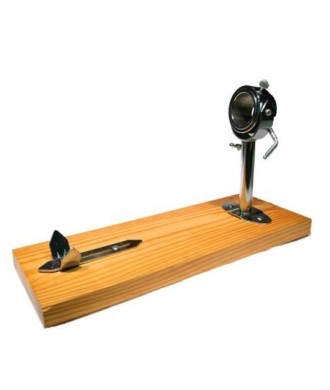
Segovia Modell Professioneller Schinkenhalter mit Drehvorrichtung (Jamonero)
Alter Preis:96,60 € Preis:91,77 € Rabatt:5% Sparen Sie:-4,83 €(39)Der Segovia Modell Professioneller Schinkenhalter, ist eines der...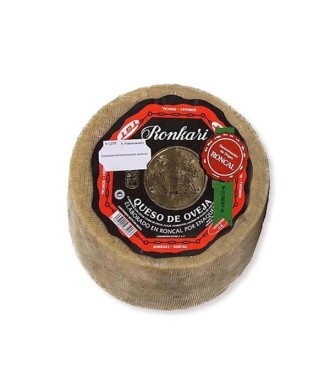
Käse Ronkari halbtrocken aus latxa Schafmilch 1Kg (Valle del Roncal)
Preis:22,50 €(3)Der Ronkari Käse aus Schafmilch ist ein köstlicher halbtokener Käse der mit...
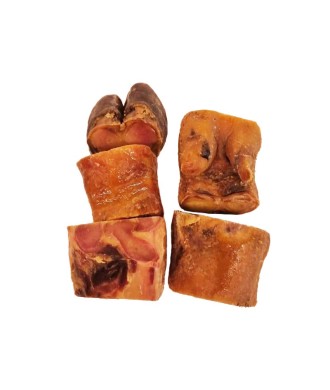


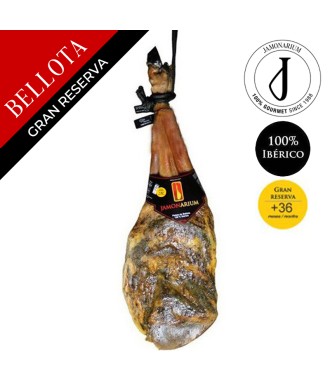
100% Ibérico Bellota Vorderschinken - Gran Reserva 3 Jahre
Preis:254,00 €(31)Die mit Eichelgefütterte 100% iberische Schulter - Gran Reserva 3 Jahre über...
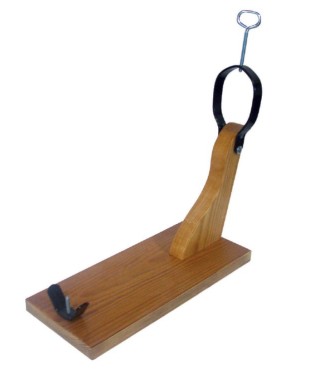
“Haushalts” Schinkenhalter (Jamonero)
Preis:18,40 €(90)Dieser Schinkenhalter ist für den gelegentlichen Hausgebrauch geeignet. Mit...
Lende Iberische Eichel, 50% Iberische Rasse - Stück
Preis:25,16 €(65)Der Iberischer Bellota Lendenstück gilt als eines der edleren Teile des...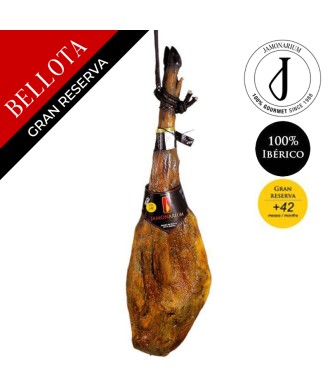
100% Ibérico Bellota Schinken - Gran Reserva 4 Jahre
Preis:625,00 €(30)Die mit Bellota 100% Ibérico Schinken - Gran Reserva 4 Jahre 8-9kgs , wurde...

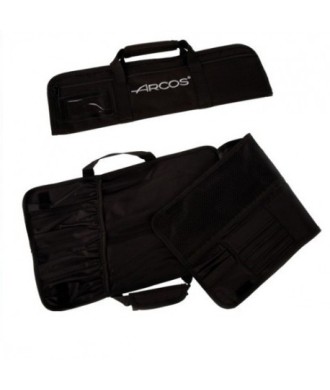
Messer Tasche für 4 Messer von Arcos
Preis:11,80 €(1)Arcos Messer-halter Tasche .Tasche dei einfach und bequem zu tragen ist, mit...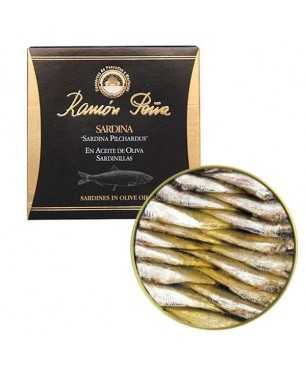
Sardinen in Olivenöl Ramón Peña, 25-30 Stück, "Black Label"
Preis:11,90 €(19)Die Sardinen in Olivenöl Ramón Peña, sind eines der Schätze der...
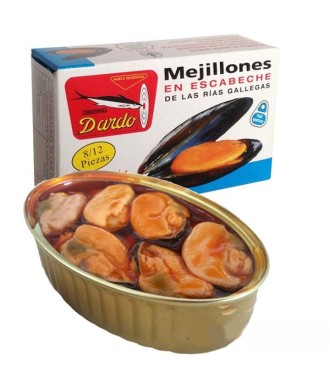
Miesmuscheln in Olivenöl Dardo 8/12 Stück (Galizischen Rías)
Preis:7,20 €(4)Die Miesmuscheln in Olivenöl Dardo sind eine köstlichkeit der Natur. Diese...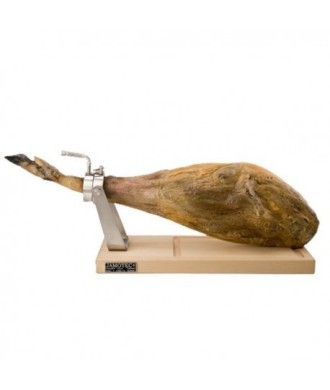
Profi Schinkenhalter mit Drehvorrichtung von Jamotec J2
Preis:335,60 €(5)Der Profi Schinkenhalter mit Drehvorrichtung von Jamotec ist der ideale...
Oro del Desierto Bio Coupage 500ml, Olivenöl extra virgin
Preis:14,80 €(41)Der BIO Olivenöl Extra Virgin Oro del Desierto ist ein außergewöhnliches...
Messermuscheln von Dardo 6/8 Stück (Galizische Rías)
Preis:14,30 €(2)Die Messermuscheln von Dardo sind eines der beliebtesten Meeresfrüchte der...
Ibérico Bellota Schinken (Salamanca), 100% Iberische Rasse - "Pata Negra"
Preis:494,45 €(77)Die mit Bellota Ibérico Schinken (Salamanca), 100% Iberische Rasse - "Pata...
Ibérico Bellota Vorderschinken (Salamanca), 100% Iberische Rasse - "Pata Negra"
Preis:197,10 €(148)Die mit Bellota Ibérico Vorderschinken (Salamanca), 100% Iberische Rasse -...
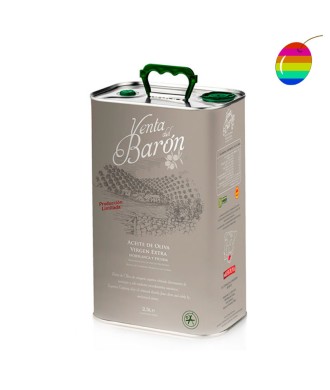
Venta del Barón coupage 2.5L, Natives Olivenöl Extra, g.U. Priego de Córdoba
Preis:52,40 €(65)Der Olivenöl Extra Vergine Venta del Barón gehört zur geschützten...
Iberischer bellota Chorizo - Ganz
Preis:33,48 €(128)Der Iberischer bellota Chorizo besteht aus einem sorfältig ausgewälten...
Ibérico Cebo de Campo Vorderschinken , 50% iberische Rasse
Preis:124,21 €(75)Die mit Vorderschinken Cebo de Campo Ibérico, 50% iberische Rasse, wurde in...
Klappschinkenhalter Mod. Duero
Preis:88,40 €(5)Der klappbare Schinkenhalter Mod. Duero ist das ideale Utensil für...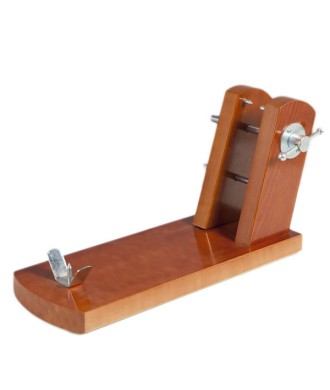
Klassischer Schinkenhalter Mod. Ebro
Preis:44,30 €(7)Ebro Modell Schinkenhalter für den Hausgebrauch. Sehr hart dank des...
Ibérico Bellota Schinken (Huelva), 100% Iberische Rasse - Pata negra
Preis:548,01 €(41)Die mit Schinken iberische Bellota (Huelva), 100% Iberische Rasse - Pata...
Ibérico Bellota (Huelva) Vorderschinken, 100% Iberische Rasse - Pata negra
Preis:228,00 €(89)Die mit Ibérico Bellota Vorderschinken (Huelva), 100% Iberische Rasse - Pata...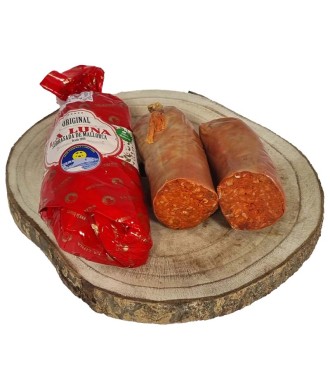
Sobrasada Superior La Luna, IGP Sobrasada de Mallorca "das Rote"
Preis:10,10 €(62)Das Sobrasada Superior IGP Sobrassada de Mallorca La Luna ist eine Auswahl...
Ibérico Cebo de Campo Schinken, 50% iberische Rasse
Preis:276,80 €(67)Die mit Iberico Cebo de Campo Schinken, 50% iberische Rasse, wurde in der...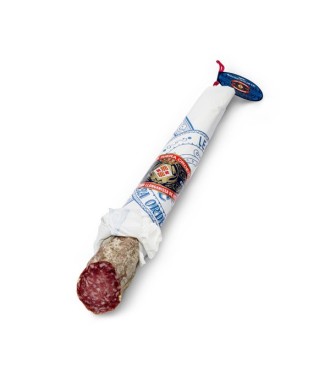
Salchichón de Vic cular, Casa Riera Ordeix, 300 g
Preis:20,40 €(38)Die Salchichón de Vic von Casa Riera Ordeix ist eine Wurst gehärtet und...
Fuet de Vic von Casa Riera Ordeix 180 gr.
Preis:7,00 €(72)Fuet de Vic von Casa Riera Ordeix ist eine stabförmige Rohwurst nach der...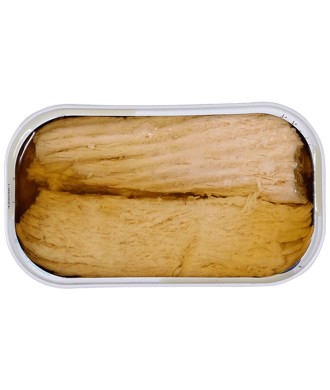
“Ventresca” albacore tuna in olive oil 111 gr. frinsa
Preis:10,90 €(3)This Frinsa’s ventresca albacore tuna in olive oil 111 gr. is done using the...
Iberischer Cebo de Campo Schinken, 50% Iberische Rasse geschnitten 100g
Preis:11,20 €(27)Der Iberischer Freilandschwein "Cebo de Campo" Schinken ist eine echte...
Eichelgefütterte 100% iberische Schulter - Gran Reserva 3 Jahre - Schnitt 100 g
Preis:19,90 €(9)Der Eichelgefütterte 100% iberische Schulter - Gran Reserva 3 Jahre - Schnitt...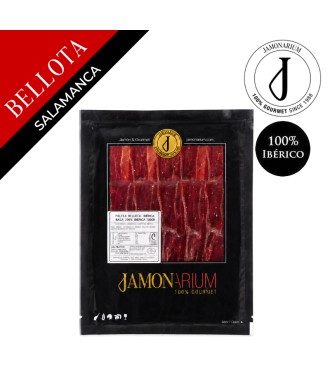
Vorderschinken Bellota iberische (Salamanca), 100% iberische Rasse - Pata Negra geschnitten 100 g
Preis:16,50 €(58)Der Bellota 100% rein iberischen Eichel Vorderschinken"Pata Negra"...
Schinken 100% ibérico Bellota Cinco Jotas (5J) von Jabugo
Preis:605,49 €(68)Der Schinken Bellota 100% ibérico Cinco Jotas (5J) von Jabugo 100% Iberischer...
Vorderschinken 100% Ibérico Bellota Cinco Jotas (5j) von Jabugo
Preis:279,00 €(156)Die mit Vorderschinken Bellota 100% Iberischer Cinco Jotas (5j) von Jabugo,...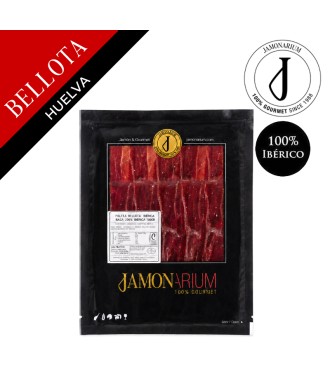
Vorderschinken iberische Bellota (Huelva), 100% iberische Rasse - Pata Negra geschnitten 100g
Preis:17,50 €(55)Der Bellota 100% rein iberischen Eichel Vorderschinken"Pata Negra" (Huelva)...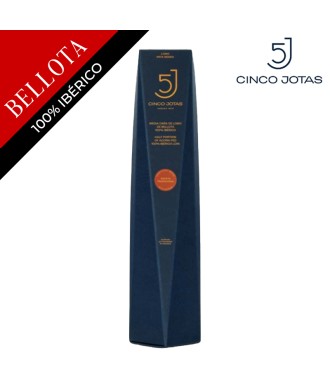
Halbe Runde 100% Iberische Lende mit Eicheln gefütterter Cinco Jotas (5j) von Jabugo
Preis:45,90 €(22)Die halbe Runde der mit 100% iberischer Eichel gefütterten Lende Cinco Jotas...
Ibérico Bellota Vorderschinken Córdoba, Andalucía (Los Pedroches), 100% Iberische Rasse - Pata Negra
Preis:188,10 €(98)Die mit Ibérico Bellota Vorderschinken (Los Pedroches, Córdoba), 100%...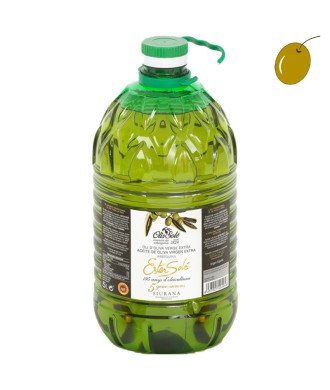
Ester Solé Arbequina 5l, Natives Olivenöl Extra, DO Siurana
Preis:51,79 €(22)Das Native Olivenöl Extra Ester Solé (olis solé) hat die...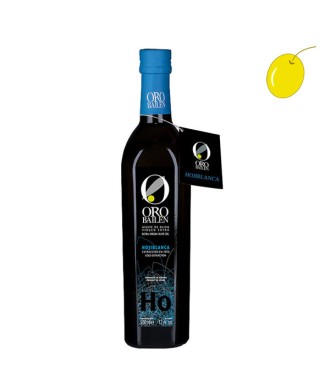
Oro de Bailén Hojiblanca 500ml, Natives Olivenöl Extra von Jaén
Preis:16,52 €(5)Oro de Bailen Extra Virgin Olive Oil Hojiblanca is one of the best oils...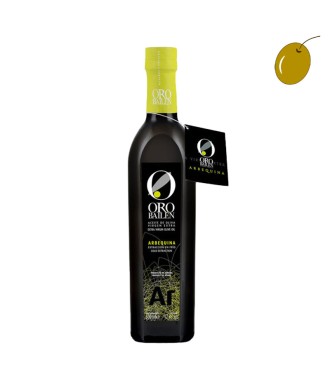
Oro de Bailen Arbequina 500ml, Natives Olivenöl Extra von Jaén
Preis:13,80 €(7)Arbequina Extra Virgin Olive Oil by Oro de Bailén is one of the best oils of...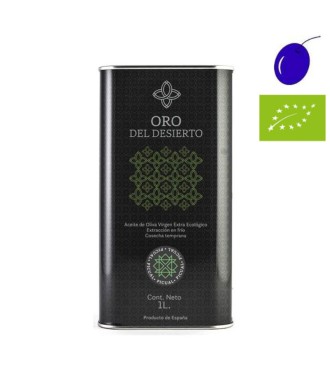
Oro del Desierto Picual Bio 1l, Natives Olivenöl Extra
Preis:19,80 €(16)Das Native Olivenöl Extra Picual Oro del Desierto ist ein außergewöhnliches...
Iberischer Cebo-Schinken, 50% Iberische Rasse - GANZ geschnitten
Alter Preis:243,54 € Preis:219,18 € Rabatt:10% Sparen Sie:-24,35 €(1)Der Iberischer Schinken Cebo geschnitten, ist das bequemste Format das es...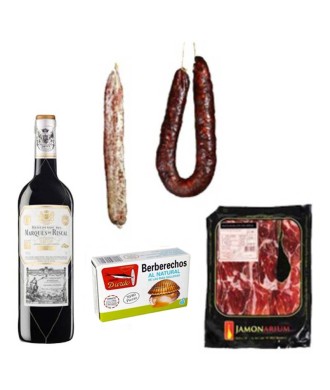
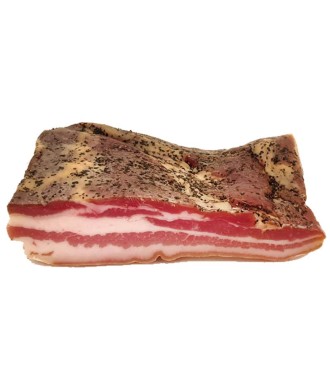
Natural Bacon
Preis:10,36 €(6)The natural bacon is a cured product derived from pork. It is extracted from...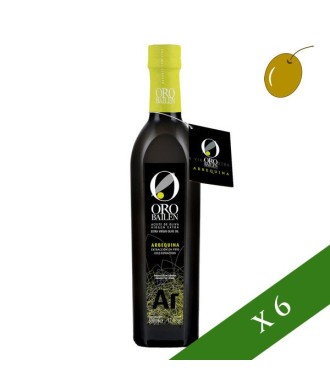
BOX x6 --- Oro de Bailen Arbequina 500ml, Natives Olivenöl Extra von Jaén
Alter Preis:82,80 € Preis:74,52 € Rabatt:10% Sparen Sie:-8,28 €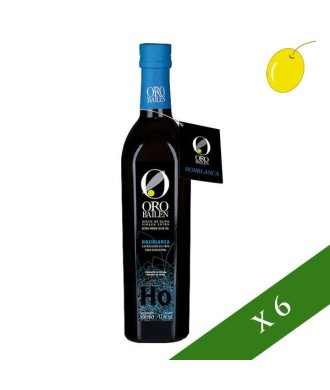
BOX x6 --- Oro de Bailén Hojiblanca 500ml, Natives Olivenöl Extra von Jaén
Alter Preis:99,11 € Preis:89,20 € Rabatt:10% Sparen Sie:-9,91 €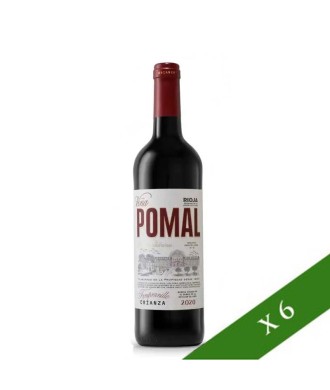
BOX x6 - Viña Pomal Crianza, DO Rioja
Alter Preis:65,40 € Preis:62,13 € Rabatt:5% Sparen Sie:-3,27 €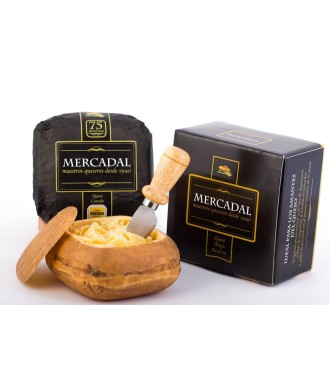
Mahón gereifter Käse Mercadal von pasteurisierte RohmilchMilch, D.O. Mahón - GANZ
Preis:20,70 €(10)Der Mahón gereifter Käse Mercadal wird aus pasteurisierter Kuhmilch...

Schinkenmesser Nordika Arcos 363mm
Alter Preis:32,50 € Preis:22,75 € Rabatt:30% Sparen Sie:-9,75 €(4)Das Schinkenmesser Nordika Arcos ist das perfekte Schinkenmesser für eine...
copy of Varios 10%
Preis:2,19 €
Ritual der geschnittenen Cinco Jotas 5J Vorderschinken (ganz)
Preis:348,00 €(6)Die mit Cinco Jotas (5j) aus Jabugo, 100 % iberische Schulter aus Eichelmast...
Serrano Gran Reserva Schinken (g.U Teruel) 22 Monaten
Preis:201,65 €(21)Der Schinken aus Teruel trägt die charakteristische Herkunftsbezeichnung...
Serrano Gran Reserva Schinken (g.U Teruel) 22 Monaten - OHNE KNOCHEN
Preis:233,40 €(11)Der Schinken aus Teruel trägt die charakteristische Herkunftsbezeichnung...

TOP UMSATZ Geschenkset
Preis:63,59 €
0 KM Geschenkset
Preis:63,27 €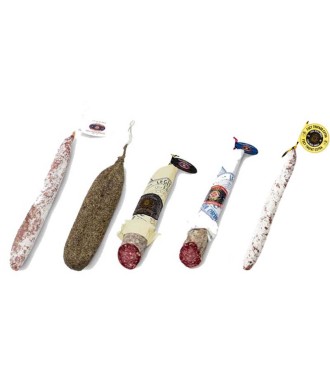
Riera Ordeix Geschenkset
Preis:80,59 €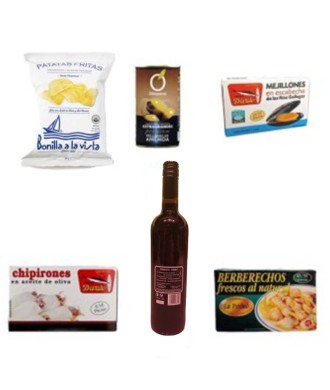
Wermut Geschenkset
Preis:30,73 €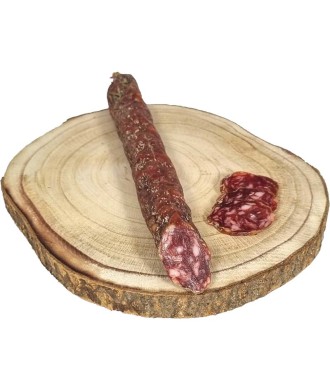
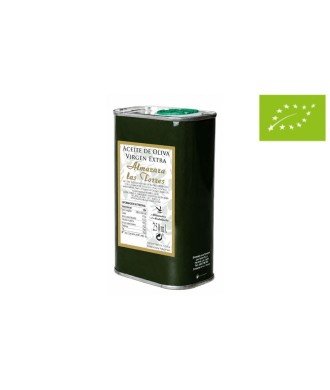
Almazara Las Torres Bio-natives Olivenöl extra 250 ml
Preis:5,90 €(18)Almazara Las Torres 250ml, Extra Virgin Olivenöl ist ein hochwertiges Öl ,...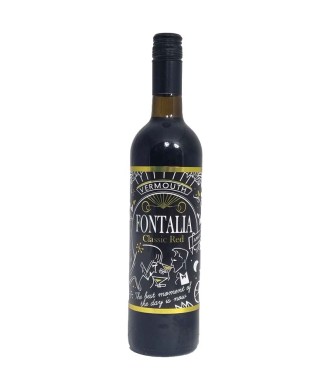

Basis-Sortiment Geschenkset
Preis:44,58 €
Basis-Sortiment Geschenkset, Cebo aufgeschnitten
Preis:79,79 €
Basis-Sortiment Geschenkset, 1/2 Cebo vorderschinken
Preis:107,07 €
Basis-Sortiment Geschenkset, Cebo vorderschinken
Preis:157,60 €
Plus-Sortiment Geschenkset
Preis:54,39 €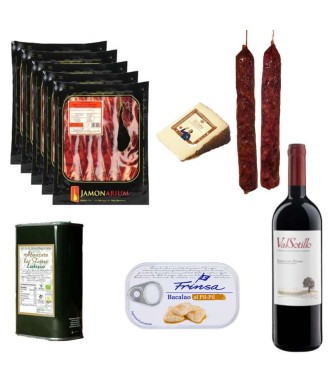
Plus-Sortiment Geschenkset, 50% Bellota aufgeschnitten
Preis:101,59 €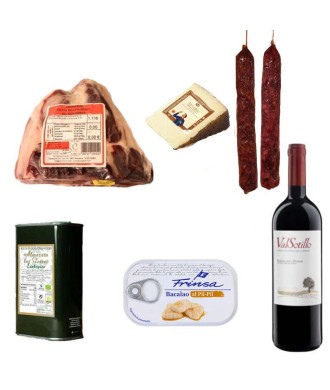
Plus-Sortiment Geschenkset, 1/2 50% Bellota vorderschinken
Preis:141,51 €
Plus-Sortiment Geschenkset, 50% Bellota vorderschinken
Preis:237,19 €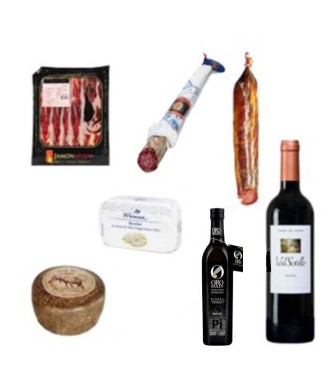
Deluxe-Sortiment Geschenkset
Preis:121,02 €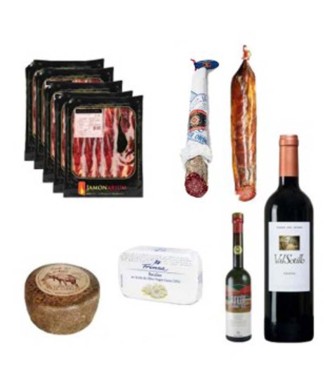
Deluxe-Sortiment Geschenkset, 100% Bellota aufgeschnitten
Preis:194,62 €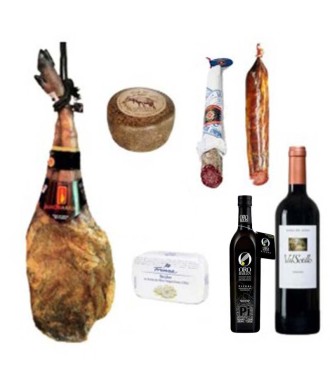
Deluxe-Sortiment Geschenkset, 100% Bellota vorderschinken
Preis:313,52 €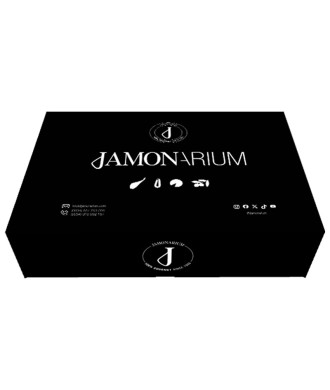

Geschenkset Konserven
Alter Preis:65,00 € Preis:55,25 € Rabatt:15% Sparen Sie:-9,75 €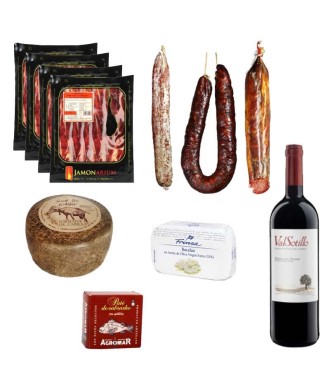
Jamonarium Silber Geschenkset - Größe M
Preis:126,77 €
Jamonarium Gold Geschenkset - Größe M
Preis:160,60 €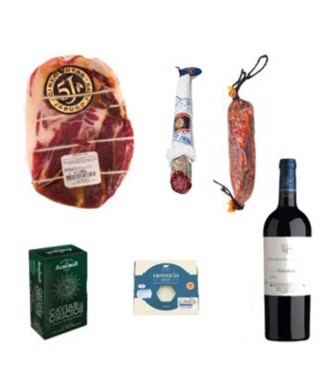
Jamonarium Platin Geschenkset - Größe M
Preis:431,95 €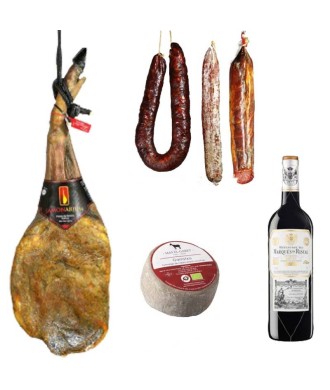
Jamonarium Silber Geschenkset - Größe L
Preis:273,72 €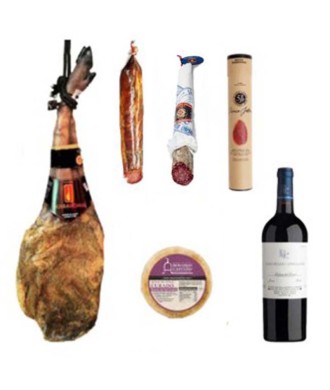

Jamonarium Platin Geschenkset - Größe L
Preis:470,33 €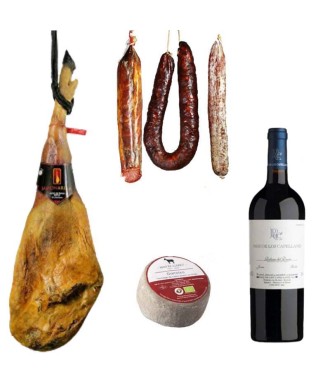
Jamonarium Silber Geschenkset - Größe XL
Preis:470,86 €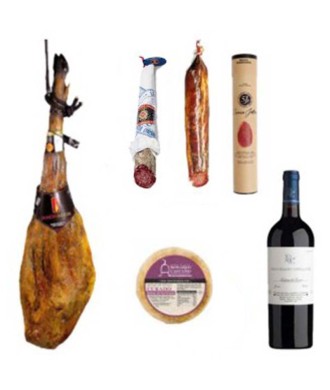
Jamonarium Gold Geschenkset - Größe XL
Preis:579,08 €
Jamonarium Platin Geschenkset - Größe XL
Preis:836,50 €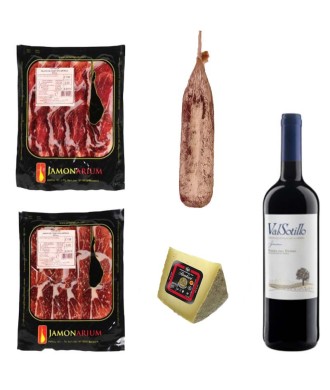
Jamonarium Silber Geschenkset - Größe S
Preis:41,39 €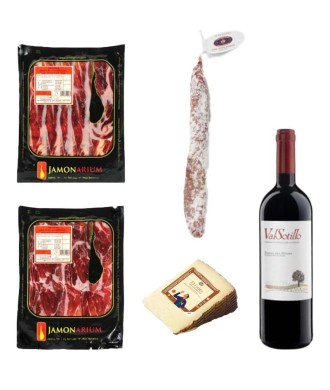
Jamonarium Gold Geschenkset - Größe S
Preis:52,19 €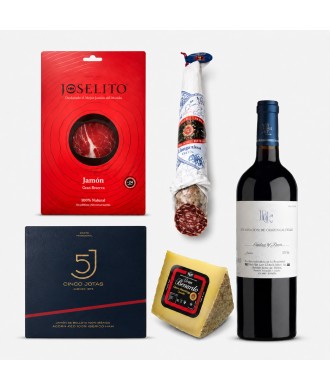
Jamonarium Platin Geschenkset - Größe S
Preis:90,79 €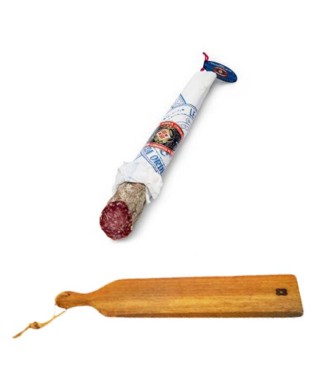
Premium Salchichón Geschenkset
Preis:48,40 €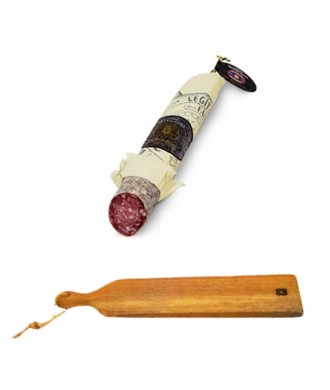
Premium Trüffelwurst Geschenkset
Preis:59,18 €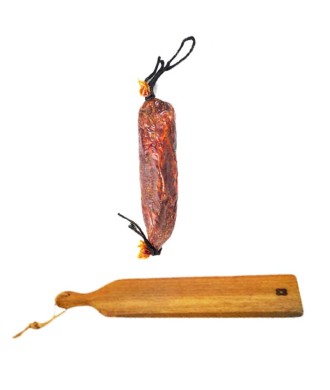
Geschenkset Lomito
Preis:60,61 €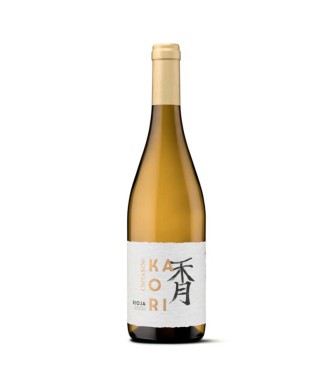
Ontañón Kaori Weiß 2022
Preis:11,90 €Dieser Wein hat eine wunderbare Geschichte... Es war einmal ein...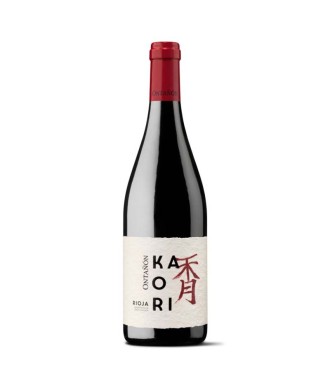
Ontañón Kaori Rotwein 2022
Preis:11,90 €(2)Dieser Wein hat eine wunderbare Geschichte... Es war einmal ein...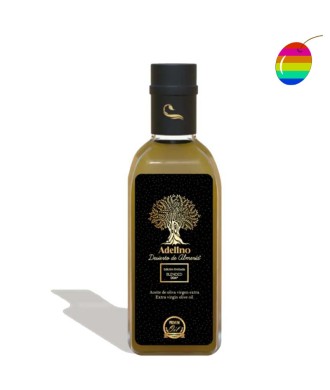
Adelino Ölmischung Desierto de Almeria 500ml
Preis:16,90 €(1)Diese Mischung aus nativem Olivenöl extra bietet dank ihres hohen Gehalts an...
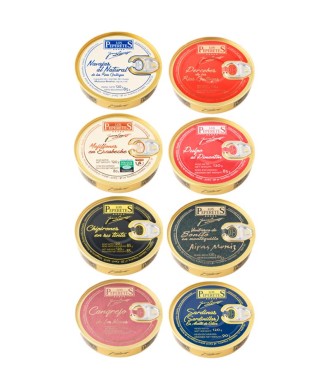
Peperetes Premium-Konfitüren Geschenkset
Preis:149,86 €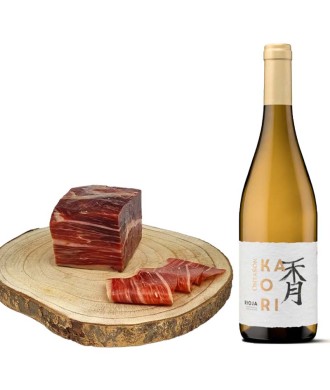
Umami Premium Geschenkset
Preis:146,80 €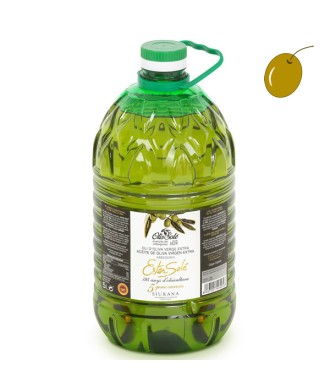
Pack 3X Ester Solé Arbequina 5l, Aceite de Oliva Virgen Extra, DO Siurana
Alter Preis:155,38 € Preis:147,61 € Rabatt:5% Sparen Sie:-7,77 €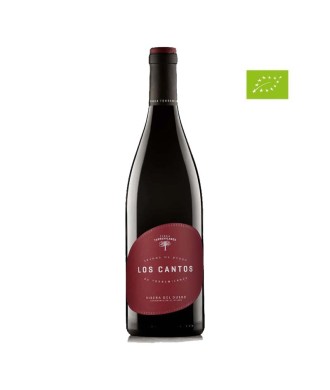
Los Cantos de Torremilanos, D.O. Ribera Duero (2021)
Preis:15,91 €Biologischer Wein, hergestellt nach den Regeln der biodynamischen...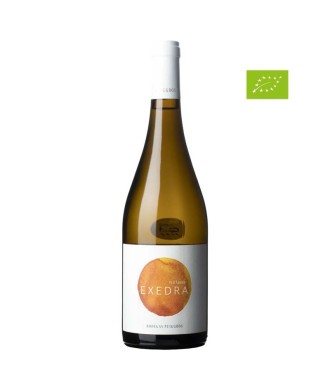
Exedra Ánfora Weiß, D.O. Katalonien (2023)
Preis:13,61 €Weißwein aus biologischem Anbau, hergestellt aus weißen Grenache-Trauben in...
MI — Pet-Nat, Castelo de Pedregosa, Weißwein ökologisch 250 ml
Preis:3,90 €(1)Xarel·lo und malvasia aus Sitges Bio 11.5%
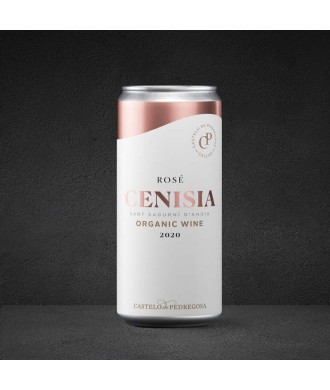
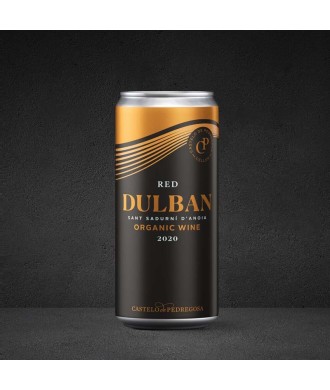
Dulban, Castelo de Pedregosa, Rotwein ökologisch 250 ml
Preis:3,90 €Tempranillo, samsó und Grenache Noir 4 Monate in französischen...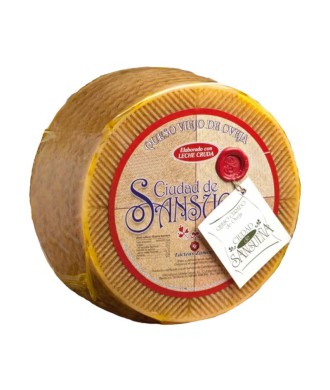
Sansueña gereifter Schafskäse - Ganz 3.1 kg
Preis:97,65 €Der Lácteas Zamoro wird aus ausgewählter Schafsrohmilch hergestellt und nach...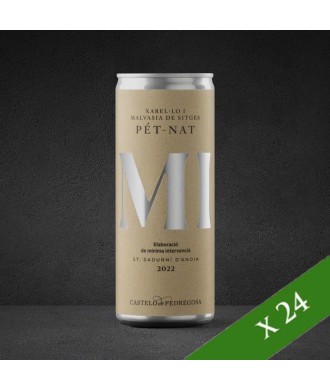
MI — Pet-Nat, Castelo de Pedregosa, Weißwein ökologisch 250 ml - kasten 24
Alter Preis:93,62 € Preis:84,26 € Rabatt:10% Sparen Sie:-9,36 €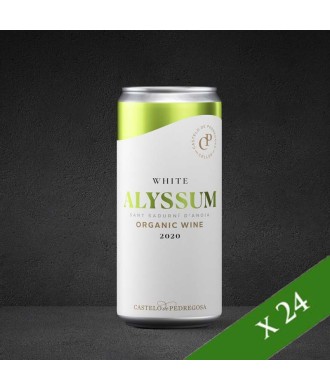
Alyssum, Castelo de Pedregosa, Weißwein ökologisch 250 ml - kasten 24
Alter Preis:93,62 € Preis:84,26 € Rabatt:10% Sparen Sie:-9,36 €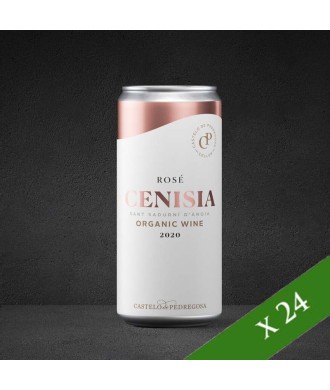
Cenisia, Castelo de Pedregosa, Roséwein ökologisch 250 ml - kasten 24
Alter Preis:93,62 € Preis:84,26 € Rabatt:10% Sparen Sie:-9,36 €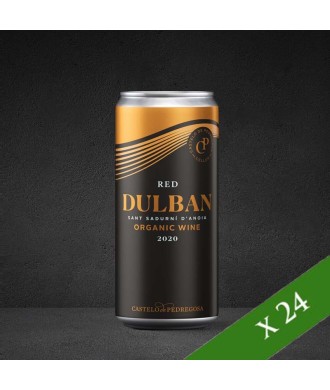
Dulban, Castelo de Pedregosa, Rotwein ökologisch 250 ml - kasten 24
Alter Preis:93,62 € Preis:84,26 € Rabatt:10% Sparen Sie:-9,36 €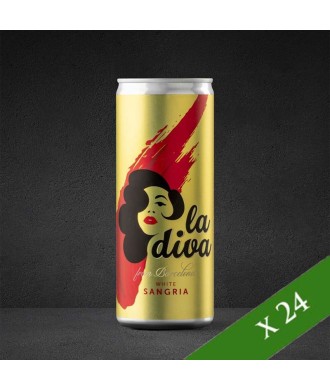
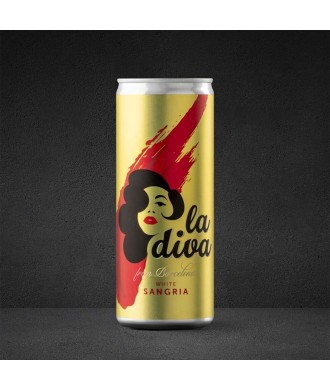
La Diva Clarea (weißer Sangria), Castelo de Pedregosa 250 ml - kasten 24
Alter Preis:93,62 € Preis:84,26 € Rabatt:10% Sparen Sie:-9,36 €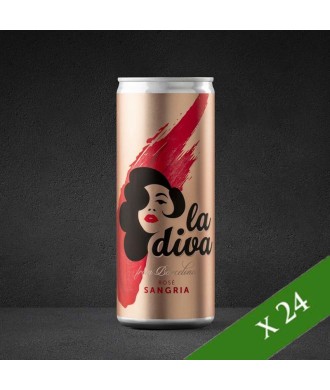
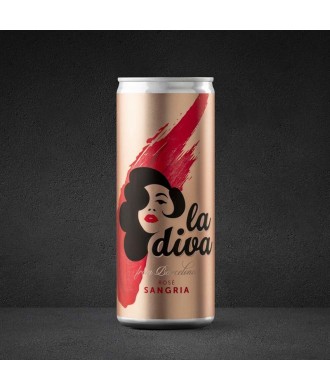
La Diva Rosé (Rosé-Sangria), Castelo de Pedregosa 250 ml - kasten 24
Alter Preis:93,62 € Preis:84,26 € Rabatt:10% Sparen Sie:-9,36 €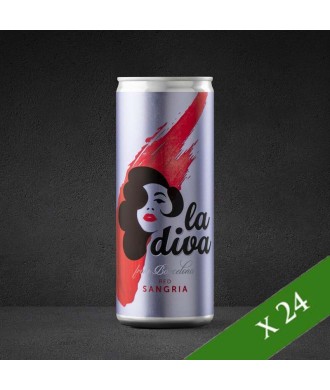
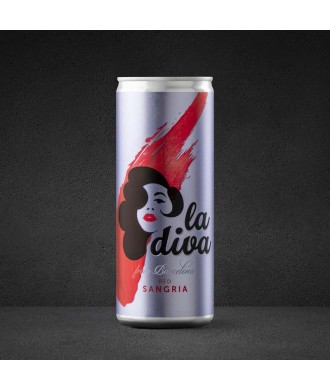
La Diva Negra (Rotwein-Sangria), Castelo de Pedregosa 250 ml - kasten 24
Alter Preis:93,62 € Preis:84,26 € Rabatt:10% Sparen Sie:-9,36 €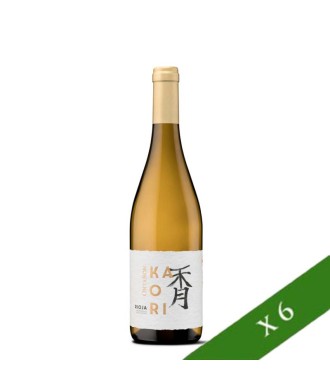
BOX x6 - Ontañón Kaori Weiß 2022
Alter Preis:71,40 € Preis:67,83 € Rabatt:5% Sparen Sie:-3,57 €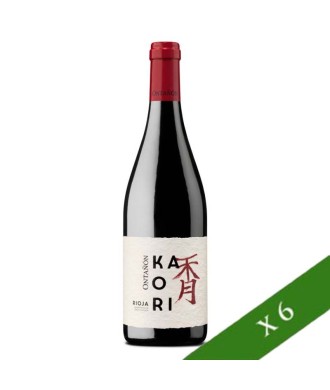
BOX x6 - Ontañón Kaori Rotwein 2022
Alter Preis:71,40 € Preis:67,83 € Rabatt:5% Sparen Sie:-3,57 €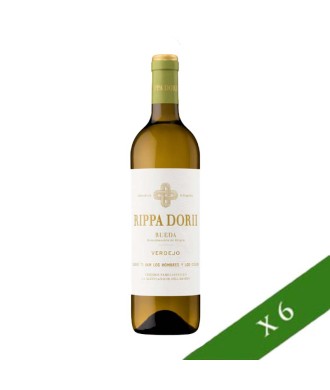
BOX x6 - Rippa Dorii Verdejo, D.O. Rueda
Alter Preis:47,40 € Preis:45,03 € Rabatt:5% Sparen Sie:-2,37 €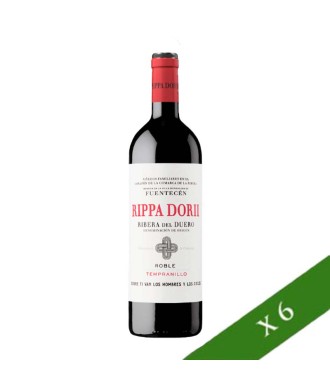
BOX x6 - Rippa Dorii Roble, D.O. Ribera Duero
Alter Preis:55,20 € Preis:52,44 € Rabatt:5% Sparen Sie:-2,76 €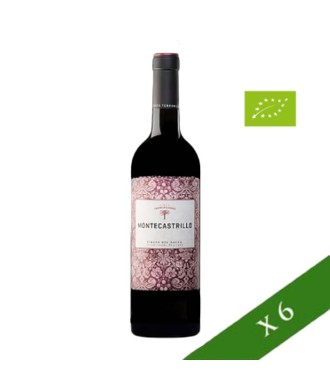
BOX x6 - Torremilanos Montecastrillo Rotwein Bio, g.u. Ribera Duero
Alter Preis:67,20 € Preis:63,84 € Rabatt:5% Sparen Sie:-3,36 €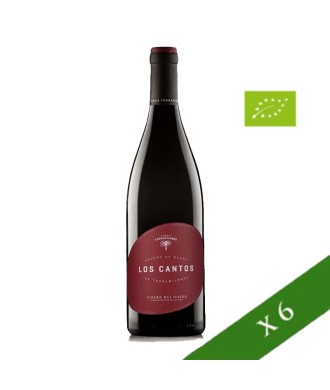
BOX x6 - Los Cantos de Torremilanos, D.O. Ribera Duero (2021)
Alter Preis:95,44 € Preis:90,66 € Rabatt:5% Sparen Sie:-4,77 €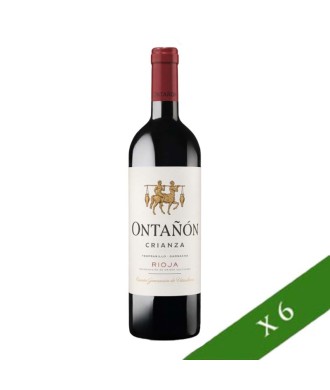
BOX x6 - Ontañón Crianza, D.O. La Rioja
Alter Preis:53,40 € Preis:50,73 € Rabatt:5% Sparen Sie:-2,67 €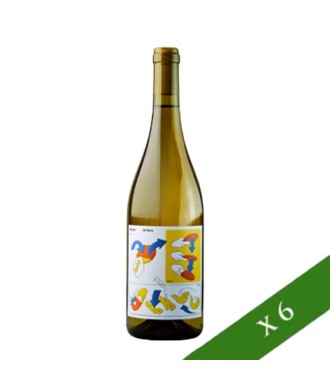
BOX x6 - Batussa Blanc Natural, D.O. Conca de Barbera
Alter Preis:65,40 € Preis:62,13 € Rabatt:5% Sparen Sie:-3,27 €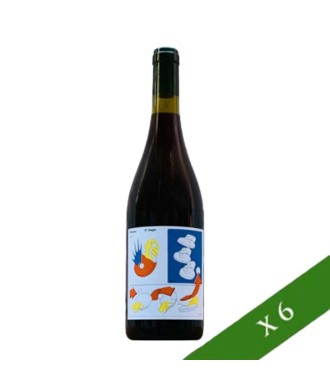
BOX x6 - Batussa Negre Rot Naturwein, g.U Conca De Barbera
Alter Preis:65,40 € Preis:62,13 € Rabatt:5% Sparen Sie:-3,27 €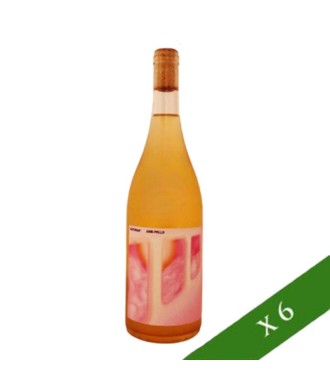
BOX x6 - Batussa Amb Pells Orange Natural
Alter Preis:89,40 € Preis:84,93 € Rabatt:5% Sparen Sie:-4,47 €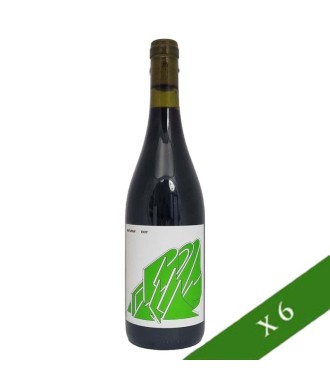
BOX x6 - Batussa Exit Naturwein, g.U Conca De Barbera
Alter Preis:131,40 € Preis:124,83 € Rabatt:5% Sparen Sie:-6,57 €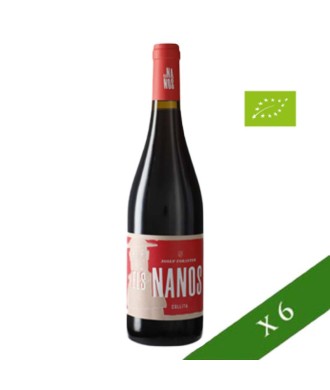
BOX x6 - Josep Foraster Els Nanos Rot Bio, g.U Conca de Barberá
Alter Preis:42,60 € Preis:40,47 € Rabatt:5% Sparen Sie:-2,13 €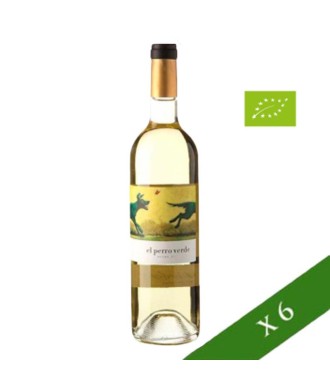
BOX x6 - El Perro Verde Verdejo Weißwein, D.O. Rueda
Alter Preis:83,40 € Preis:79,23 € Rabatt:5% Sparen Sie:-4,17 €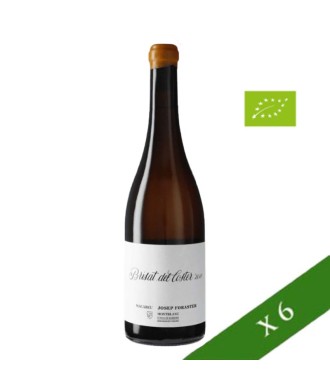
BOX x6 - Josep Foraster Brisat del Coster Weiß Natural Biowein, g.U. Conca de Barberá
Alter Preis:95,70 € Preis:90,91 € Rabatt:5% Sparen Sie:-4,79 €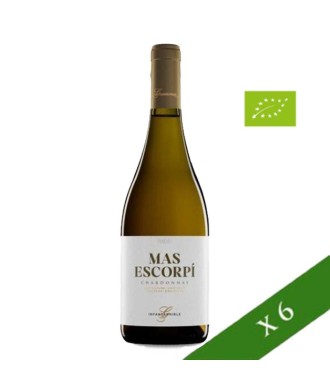
BOX x6 - Mas Escorpí Ecológico, D.O. Penedés
Alter Preis:93,00 € Preis:88,35 € Rabatt:5% Sparen Sie:-4,65 €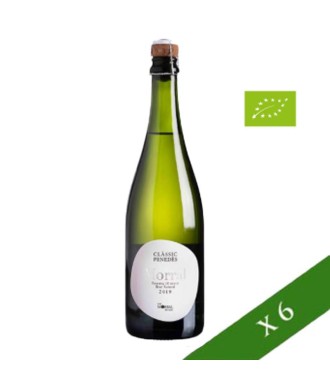
BOX x6 - Cava Morral Clàssic Penedés Brut Natural Ecológico
Alter Preis:77,40 € Preis:73,53 € Rabatt:5% Sparen Sie:-3,87 €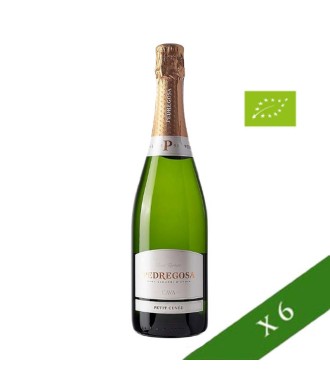
BOX x6 - Cava Pedregosa Petit Cuvee Brut Nature Bio, g.U. Cava
Alter Preis:59,40 € Preis:56,43 € Rabatt:5% Sparen Sie:-2,97 €
Schinkenhalter Fuerteventura
Preis:139,50 €(1)Hergestellt aus rot lackiertem MDF mit Beschlägen aus rostfreiem Stahl und...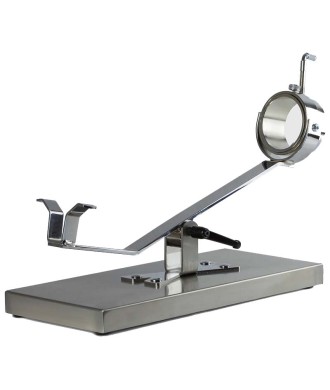
Schinkenhalter Siete Picos inox
Preis:158,50 €(1)Hergestellt aus rostfreiem Stahl und verchromtem Eisen. Dreh- und...
Schinkenhalter Guadalquivir inox
Preis:114,50 €(1)Basis aus rostfreiem Stahl, Beschläge aus verchromtem Stahl. Dreh- und...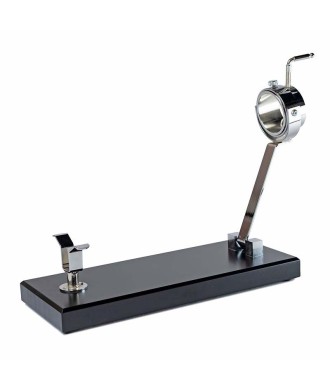
Schinkenhalter Tarraco
Preis:88,50 €Aus schwarz lackiertem MDF mit Beschlägen aus Edelstahl und verchromtem...
Schinkenhalter Benasque
Preis:88,50 €Aus weiß lackiertem MDF mit Beschlägen aus Edelstahl und verchromtem Eisen....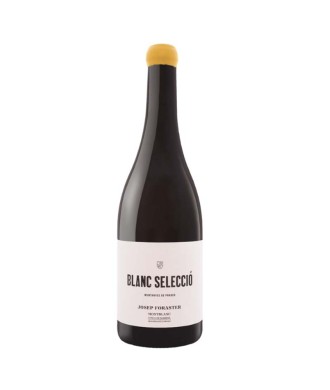
Josep Foraster Blanc Selecció, D.O. Conca de Barberá
Preis:14,70 €Es ist ein vollmundiger Weißwein mit großem Alterungspotenzial. Noten von...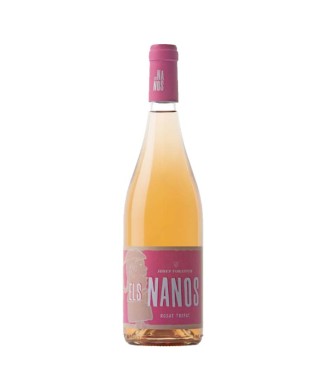
Josep Foraster Els Nanos Rose, D.O. Conca de Barberá
Preis:7,90 €(1)Der Josep Foraster Els Nanos Rosat ist ein junger Roséwein, der den...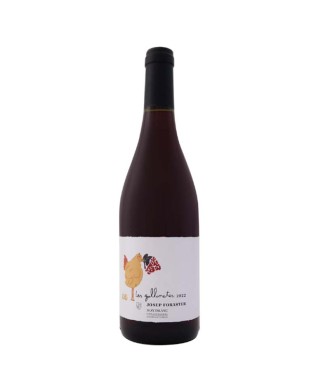
Josep Foraster Les Gallinetes, D.O. Conca de Barberá
Preis:10,50 €Es handelt sich um einen Rotwein, der Teil eines Gemeinschaftsprojekts mit...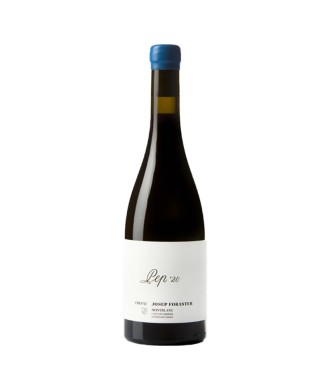
Josep Foraster, Pep, D.O. Conca de Barberá
Preis:39,90 €Der Pep de Josep Foraster ist ein frischer Rotwein mit Aromen von Früchten...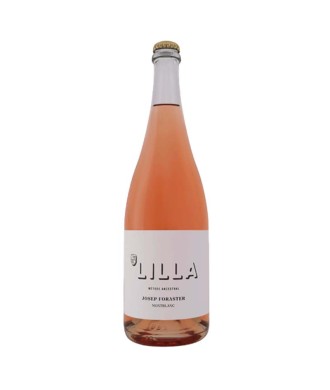
Josep Foraster Lilla Ancestral, D.O. Conca de Barberá
Preis:14,90 €Josep Foraster Lilla Ancestral ist ein Roséwein, der als Aperitif genossen...
Joselito Gran Reserva Vorderschinken in Holzkiste - OHNE KNOCHEN - CAJA MADERA
Preis:290,00 €(1)Der Vorderschinken Joselito Gran Reserva in Holzkiste - ohne knochen gilt...
Joselito Gran Reserva Schinken in Holzkiste - OHNE KNOCHEN - CAJA MADERA
Preis:889,50 €Der Schinken Joselito Gran Reserva in Holzkiste - ohne knochen gilt als der...
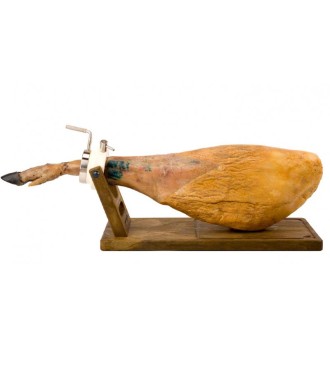
Drehbarer Schinkenhalter JAMOTEC JP
Preis:98,90 €Hergestellt aus rostfreiem Stahl, vernickeltem Stahl (innerer Drehring) und...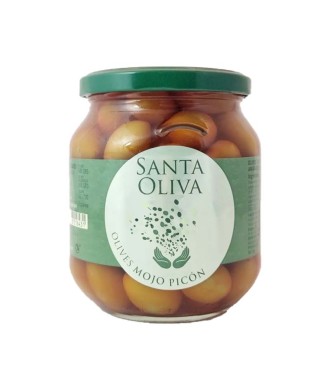
Oliven mit Mojo Picón Santa Oliva
Preis:5,30 €(3)Gespaltene grüne Oliven, gewürzt mit der für die Kanarischen Inseln...
BOX x6 - Pago de los Capellanes tinto Crianza, D.O. Ribera del Duero
Alter Preis:221,40 € Preis:210,33 € Rabatt:5% Sparen Sie:-11,07 €
Ibérico Bellota Vorderschinken Córdoba, Andalucía (Los Pedroches), 100% Iberische Rasse - Pata Negra - OHNE KNOCHEN - Punta
Preis:107,09 €(5)Die mit Ibérico Bellota Vorderschinken 100% Iberische Rasse - Pata Negra,...
Ibérico Bellota Vorderschinken Córdoba, Andalucía (Los Pedroches), 100% Iberische Rasse - Pata Negra - OHNE KNOCHEN - Caña
Preis:116,82 €(4)Die mit Ibérico Bellota Vorderschinken 100% Iberische Rasse - Pata Negra,...
Ibérico Bellota Vorderschinken Córdoba, Andalucía (Los Pedroches), 100% Iberische Rasse - Pata Negra - OHNE KNOCHEN
Preis:212,40 €(8)Die mit Ibérico Bellota Vorderschinken 100% Iberische Rasse - Pata Negra,...
VID'A ORIGEN, Rotwein D.O.Qa Priorat (2023)
Preis:22,90 €In der Nase entfalten sich Aromen von roten Beeren und balsamischen Noten,...
VID'A 2020, Rotwein D.O.Qa Priorat
Preis:34,90 €In der Nase entfalten sich intensive Aromen reifer Früchte, begleitet von...
Les Astronautes Rueda Verdejo, Naturwein (2024)
Preis:16,50 €100% Verdejo 24-stündige Mazeration und 3-monatige Reifung in...
Cava Predregosa Blanc de Millésimé, Naturschutzgebiet Brut Nature, D.O. Cava
Preis:12,90 €Blanc de Millésimé ist ein eleganter und delikater Cava mit einzigartiger...
Öko-Rotwein Chateau Vieux Mougnac 2015 AOC Bordeaux
Preis:19,50 €(3)Handgeerntet und ausgewählt. Biologisch angebaut. Wunderschöne karminrote...
Öko-Weißwein Château Vieux Mougnac 2019 AOC Bordeaux Dry
Preis:15,50 €(1)Biologisch angebaut. Handgeerntet durch sukzessive Selektion. Wunderschöner...
Öko-Roséwein Château Vieux Mougnac 2021 AOC Bordeaux
Preis:11,50 €(1)Aus biologischem Anbau. Handgeerntet mit sukzessiver Selektion. Wunderschöne...
BOX x6 - Öko-Rotwein Chateau Vieux Mougnac 2015 AOC Bordeaux
Alter Preis:117,00 € Preis:111,15 € Rabatt:5% Sparen Sie:-5,85 €
BOX x6 - Öko-Weißwein Château Vieux Mougnac 2019 AOC Bordeaux Dry
Alter Preis:93,01 € Preis:88,36 € Rabatt:5% Sparen Sie:-4,65 €
BOX x6 - Öko-Roséwein Château Vieux Mougnac 2021 AOC Bordeaux
Alter Preis:69,01 € Preis:65,56 € Rabatt:5% Sparen Sie:-3,45 €
Posten Öko-Weine Château Vieux Mougnac AOC Bordeaux
Alter Preis:46,50 € Preis:44,18 € Rabatt:5% Sparen Sie:-2,33 €
Cremige Pastete aus kandierten Piquillo-Paprika Mareterra
Preis:6,00 €(3)Cremige Pastete aus kandierten Piquillo-Paprika aus natürlichen Zutaten....
Knoblauch-Garnelenpastete Mareterra
Preis:6,00 €(5)Knoblauch-Garnelenpastete aus natürlichen Zutaten. Ohne Konservierungs- und...
Tintenfischpastete in eigener Tinte Mareterra
Preis:6,00 €(6)Tintenfischpastete in eigener Tinte aus natürlichen Zutaten. Ohne...
Meeresfrüchtesalat Mareterra
Preis:14,10 €(1)Ein traditionelles spanisches Gericht mit feinsten Meeresfrüchten und Fisch:...
Oktopus mit Garnelen Mareterra
Preis:16,50 €(4)Bester galizischer Oktopus mit feinsten Garnelen in nativem Olivenöl extra....
Josep Foraster La Robina 2022 Rotwein
Preis:44,90 €(1)Wein aus dem Weinberg La Robina, wo Josep Foraster das Alterungspotenzial...
Joselito Probierbox
Preis:79,90 €Möchten Sie das Beste von Joselito entdecken? Die Joselito Probierbox...
Joselito Sobrasada
Preis:27,90 €Das Geheimnis der Joselito Iberischen Sobrasada liegt in ihrer Herkunft: Sie...
Profi Schinkenhalter mit Drehvorrichtung von Jamotec J2 PS
Preis:335,60 €Der Profi Schinkenhalter mit Drehvorrichtung von Jamotec J2 PS ist der...
Aixart Weißwein D.O. Katalonien (2023)
Preis:11,90 €(1)Dieser Wein präsentiert sich als komplexes und nuancenreiches Erlebnis. In...
Klassisches süßes Weihnachtspaket
Preis:58,31 €
Premium-Weihnachtspaket
Preis:52,50 €
Famille Dornier Munt, Bio-Rotwein
Preis:11,90 €(1)Entdecken Sie Munt Vin Rouge von der Familie Dornier, einen Roussillon-Wein...
Famille Dornier Mar, Bio-Weißwein
Preis:11,90 €Entdecken Sie den Weißwein Famille Dornier Mar, einen Roussillon-Wein mit...
Famille Dornier Tram, Bio-Roséwein
Preis:11,90 €Entdecken Sie Famille Dornier Tram Rosé, einen frischen und fruchtigen Rosé...
Monteño Viejo-Schafskäse G.U.
Alter Preis:89,70 € Preis:78,94 € Rabatt:12% Sparen Sie:-10,76 €(3)Die pure Essenz der Manchego-Tradition Lassen Sie sich vom gereiften...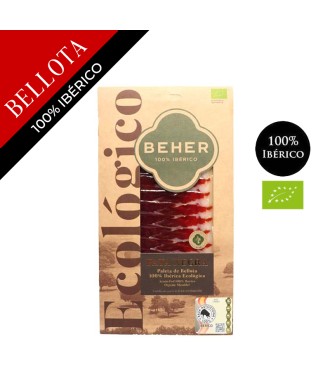
Bio-Vorderschinken Bellota iberische, 100% iberische Rasse - Pata Negra geschnitten 70 g
Preis:15,70 €(1)Der 100 % iberische Bio-Schulterschinken „Pata Negra“ (aus Eichelhaltung),...
Bio-schinken Bellota iberische, 100% iberische Rasse - Pata Negra geschnitten 70 g
Preis:21,60 €(2)100 % Bio-Schinken aus iberischer Eichelhaltung – Pata Negra, 70 g in...
Nita Rotwein 2023, D.O. Priorat
Preis:17,90 €Nita ist ein junger Wein aus Priorat, hergestellt von Meritxell Pallejà. Er...
Cyclo 2020 Rotwein, Torremilanos, D.O. Ribera del Duero
Preis:47,90 €Cyclo ist ein angenehmer und verführerischer Wein mit fruchtigen Noten und...
Doroteo Rotwein 2020, Pago de los Capellanes, D.O. Ribera del Duero
Preis:93,90 €Der Doroteo Rotwein 2020 besticht durch seine aufregende Energie: Kraft,...
Billecart-Salmon La Réserve Champagner
Preis:69,90 €Der Billecart-Salmon Brut Réserve ist ein Champagner, der sich durch seine...
Champagne Billecart-Salmon, Le Rosé
Preis:105,90 €Billecart-Salmon Rosé ist der Inbegriff von Raffinesse und Frische. Dieser...
Saucenschüssel aus Olivenholz
Preis:18,00 €Diese elegante Saucenschüssel aus Olivenholz besticht durch ihr organisches...
Olivenholzschale
Preis:24,00 €Diese handgefertigte Olivenholzschale ist ein rustikales Stück, das die...
Schneidebrett aus Olivenholz, Größe M
Preis:34,00 €Dieses mittelgroße Schneidebrett aus Olivenholz vereint Funktionalität und...
Schneidebrett aus Olivenholz, Größe L
Preis:54,00 €Dieses große Schneidebrett aus Olivenholz ist ein beeindruckendes Stück, das...
Schneidebrett aus Olivenholz, XL
Preis:62,00 €Dieses XL-Schneidebrett aus Olivenholz ist das Prunkstück unserer Kollektion...
Blauflossenthunfischbauch LOS PEPERETES in Airas Moniz Butter
Preis:25,90 €Diese limitierte Edition vereint zwei Aushängeschilder unserer Gastronomie:...
Arcos Schinken-Tranchierset
Preis:22,50 €Werden Sie mit diesem Komplettset der renommierten spanischen Marke Arcos...
Obando Gourmet-Grissini 500g
Preis:6,50 €Erleben Sie wahre Qualität mit unseren Artesanos Gourmet Brotstangen, die...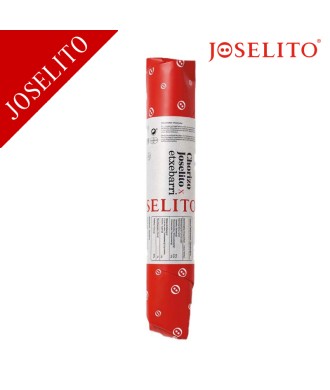
Chorizo Joselito x Etxebarri
Preis:19,90 €Diese limitierte Edition ist aus dem meisterhaften Zusammentreffen von...
Obando Gourmet-Grissini 20g
Preis:0,50 €Erleben Sie wahre Qualität mit unseren Artesanos Gourmet Brotstangen, die...
Obando Gourmet-Grissini 130g
Preis:2,90 €(1)Erleben Sie wahre Qualität mit unseren Artesanos Gourmet Brotstangen, die...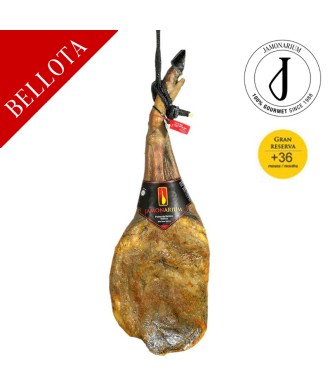
Gran Reserva Iberische Bellota-Schulter, 50 % iberische Rasse, 3 Jahre
Preis:219,00 €(1)Dieser Gran Reserva Iberische Schulterschinken (50 % Iberische Rasse) stammt...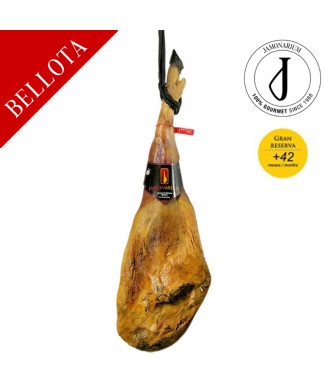
Gran Reserva Iberische Bellota-Schinken, 50 % iberische Rasse, 4 jahre
Preis:512,00 €(1)Dieser Gran Reserva Iberische Schinken (50 % Iberische Rasse) stammt aus...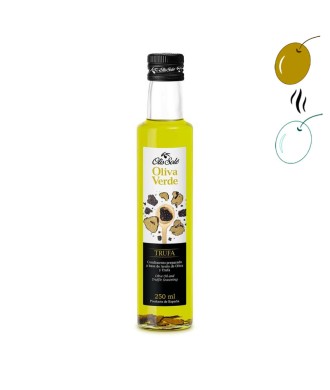
Natives Olivenöl Extra und Trüffel 250 ml, Olis Solé
Preis:6,90 €Erleben Sie eine wahre Geschmacksexplosion vom ersten Moment an, wenn Sie...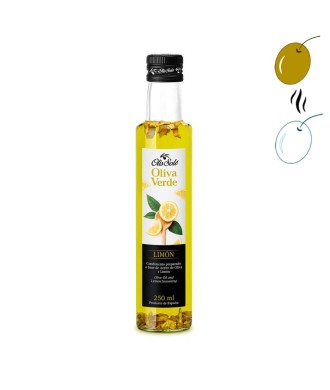
Extra natives Olivenöl und Zitrone 250 ml, Olis Solé
Preis:6,25 €(1)Lassen Sie sich vom belebenden Zitrusduft des Mittelmeers inspirieren und...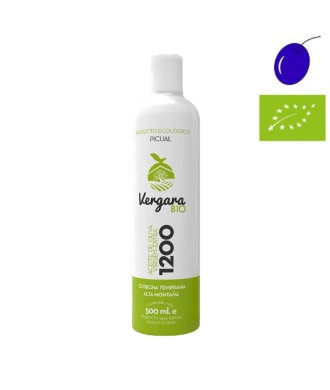
Vergara Bio-Picual Natives Olivenöl Extra 500 ml
Preis:18,80 €Entdecken Sie die pure Essenz der Berge mit Vergara Bio-Olivenöl Extra...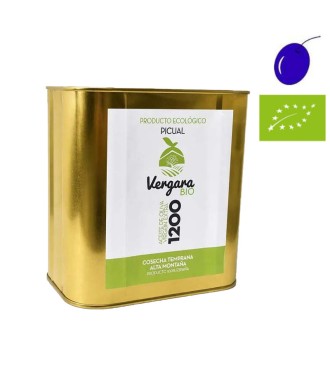
Vergara Bio-Picual Natives Olivenöl Extra 2500 ml
Preis:39,50 €(1)Entdecken Sie die pure Essenz der Berge mit Vergara Bio-Olivenöl Extra...
Ganze eingelegte Makrele Dardo 390g (Caballitas)
Preis:6,40 €(2)Genießen Sie den authentischen Geschmack und die maritime Tradition der...
Mareterra Schokoladenmousse
Preis:5,95 €(3)Überraschen Sie Ihre Gäste mit der exquisiten, handwerklich hergestellten...
Mareterra Eierpudding
Preis:5,95 €(1)Genießen Sie die Essenz traditioneller Backkunst mit Mareterra Conservas'...
Mareterra Kaffeeflan
Preis:5,95 €(2)Verwöhnen Sie Ihre Sinne mit dem unwiderstehlichen, handwerklich...
Mareterra Erdbeer-Käsekuchen
Preis:5,95 €Entdecken Sie die perfekte Harmonie der Aromen mit dem exquisiten...
Thunfisch in Marinara- Sauce Mareterra
Preis:11,90 €Genießen Sie die Haute Cuisine des Meeres mit dem exquisiten, handwerklich...
Natürliche Rübenblätter Mareterra
Preis:5,40 €(1)Entdecken Sie den authentischen Geschmack des galicischen Gartens mit den...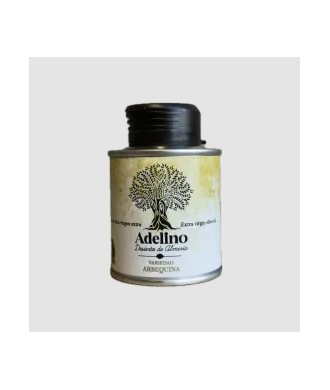
Aceite Virgen Extra Adelino 100ml
Preis:5,90 €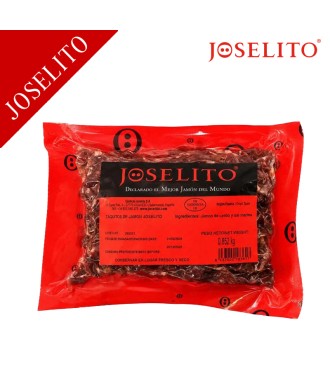
Joselito-Schinkenwürfel 800gr
Preis:65,90 €Genießen Sie den unverwechselbaren Geschmack des weltbesten Schinkens . Diese...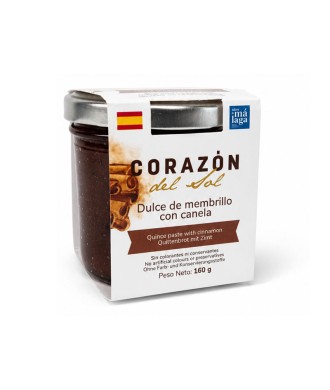
Quittenpaste mit Zimt
Preis:3,60 €(1)Die Quittenpaste mit Zimt ( Trafrut Cano) von Corazón de Sol ist eine...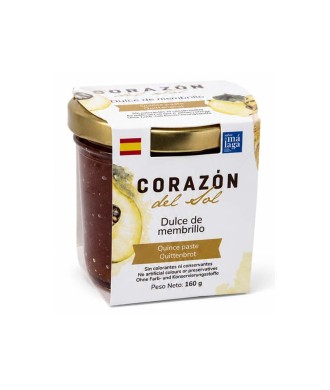
Natürliche Quittenpaste
Preis:3,60 €Die natürliche Quittenpaste ( Trafrut Cano) von Corazón de Sol fängt die...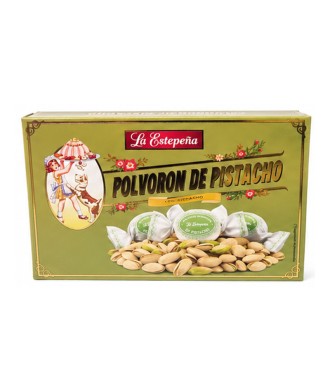
La Estepeña Pistazien-Shortbread (270 g) Entdecken Sie mit diesem
Preis:8,50 €La Estepeña Pistazien-Shortbread eine neue Interpretation des klassischen...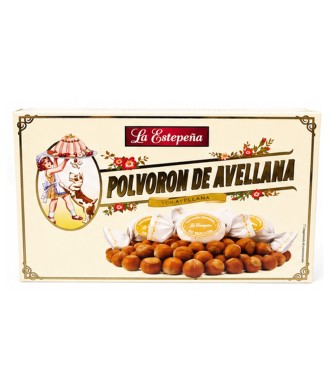
La Estepeña Haselnusspulver (270 g)
Preis:6,50 €Genießen Sie den traditionellsten Geschmack mit La Estepeña...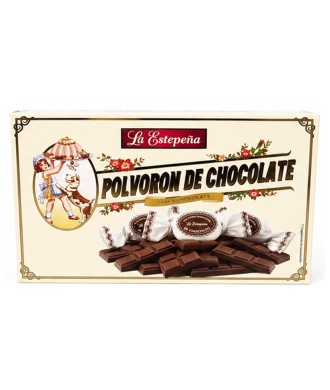
La Estepeña Schokoladen-Shortbread (285 g)
Preis:6,50 €Genießen Sie den intensiven Geschmack von La Estepeña Chocolate Polvorón ,...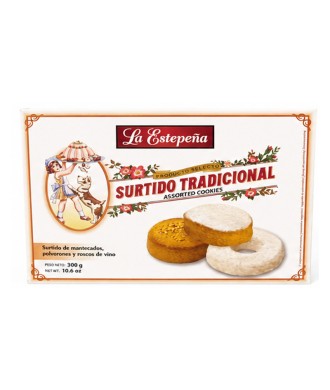
Traditionelle Auswahl an Polvorones und Mantecados La Estepeña (300 g)
Preis:5,50 €Genießen Sie authentische Weihnachtstradition mit La Estepeñas traditionellem...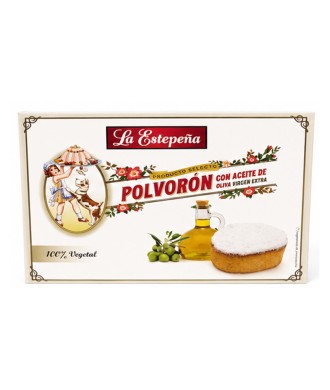
La Estepeña Shortbread mit nativem Olivenöl extra (200 g)
Preis:4,50 €La Estepeña Polvorón mit nativem Olivenöl extra eine Alternative zum...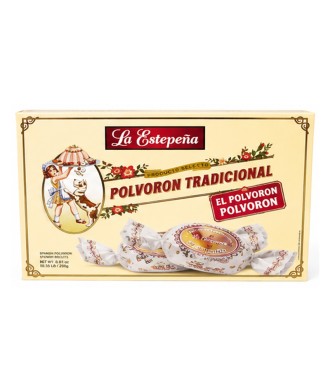
Traditionelles Mandel-Mürbeteiggebäck La Estepeña (250 g)
Preis:4,50 €La Estepeña Traditional Almond Polvorón ist einer der großen Klassiker der...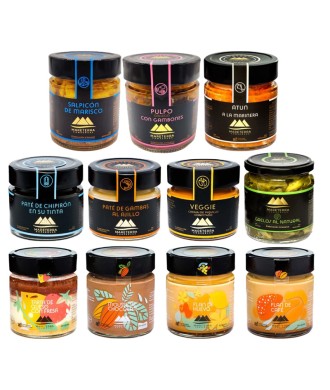
Pack Total Mareterra
Alter Preis:89,71 € Preis:80,74 € Rabatt:10% Sparen Sie:-8,97 €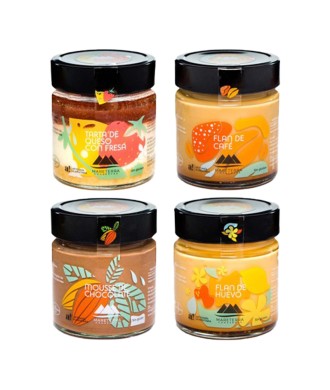
Mareterra Dessertpackung
Alter Preis:23,80 € Preis:22,61 € Rabatt:5% Sparen Sie:-1,19 €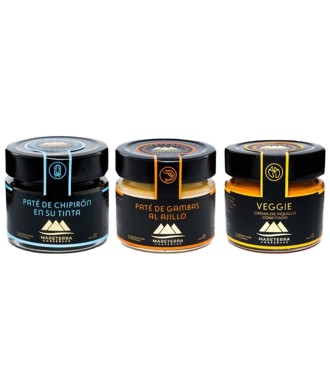
Mareterra Pastetenpackung
Alter Preis:18,00 € Preis:16,20 € Rabatt:10% Sparen Sie:-1,80 €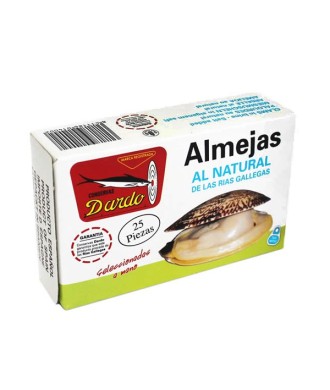
Natürliche Muscheln 20-30 Stück Dardo(Galizischen Rias)
Preis:28,60 €(4)The natural clams Dardo 25 pieces (Galician Rias) is a delicacy unique in...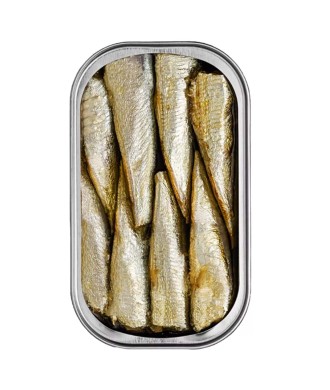
Kleine Sardinen in scharfem Olivenöl von Ramón Peña 12/16 Stück
Preis:6,50 €(16)**** Produkt mit Rabatt für nächstes Verbrauchsdatum: 12/2025 **** Die...
Sardines in olive oil Ramón Peña (40/50 units)
Preis:15,90 €(13)The little sardines in olive oil Ramón Peña (40/50 units) come from Galician...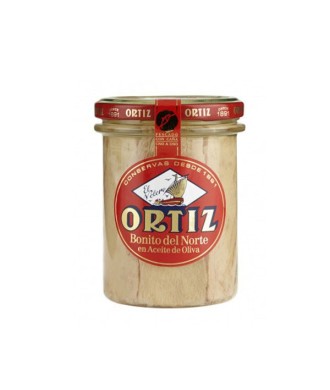
Thunfisch Ortiz der Sorte Bonito del Norte in Olivenöl
Preis:9,20 €(8)Der Thunfisch Ortiz konserviert in Olivenöl ist ein hochwertiges...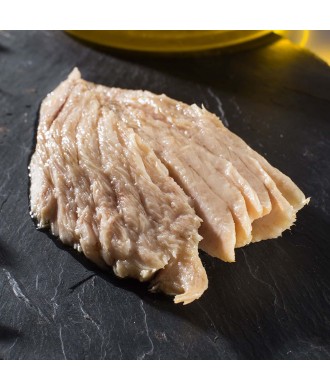
“Ventresca” Weißer Thun in Olivenöl Yurrita
Preis:12,50 €(18)“Ventresca” Weißer Thun in Olivenöl die Marke Yurrita. Es ist das leckerste...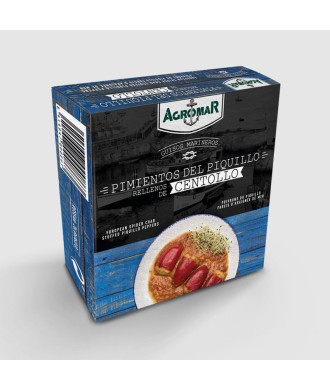
Paprikaschoten gefüllt mit Krabbe Agromar
Preis:7,50 €(7)Die Paprikaschoten gefüllt mit Krabbe sind eines der beliebtesten Gerichte...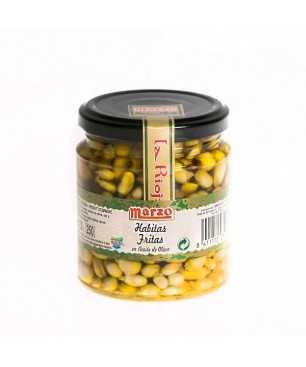
Gebratenen Bohnen von La Rioja-Marzo im Glas 220grs
Preis:8,50 €(7)Die Gebratenen Kleinen Bohnen, "Minibaby" von La Rioja - Marzo Marke im...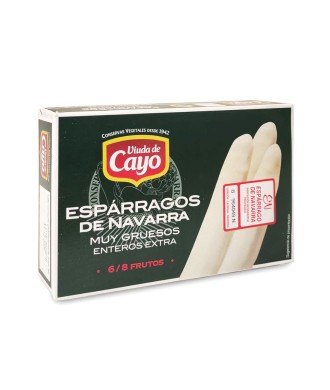
Navarra Spargel (6-8) Viuda de cayo - 345g
Preis:8,90 €(2)Diese Navarra Spargel Thick (6-8) Viuda de Cayo sind Spargel von hoher...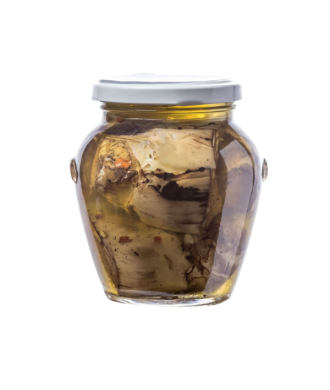
Gegrillte Artischocken Orto Mediterraneo, 314ml.
Preis:8,50 €(3)Die gegrillten Artischocken 314ml von Ortomediterraneo sind ein...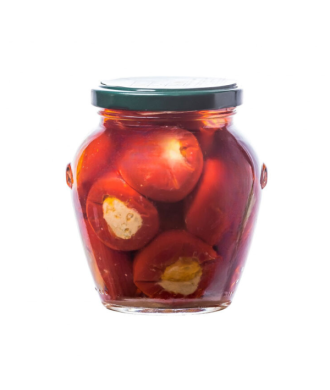
Scharfe Peperoncini Thunfisch Orto Mediterraneo , 314ml.
Preis:8,30 €Peppersweet gefüllt mit Thunfisch Orto Mediterraneo mit 314ml. bietet eine...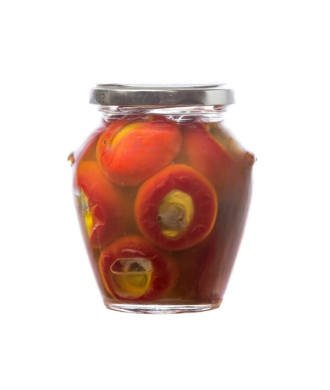
Gefüllte Paprika Mittelmeer-Käse Orto Mediterraneo, 314 ml
Preis:8,90 €Kombinieren Sie die Intensität von scharfen Paprikaschoten mit der Zartheit...
BOX x50 - Sardinen in Olivenöl von Dardo 12/18
Alter Preis:170,00 € Preis:153,00 € Rabatt:10% Sparen Sie:-17,00 €
BOX x40 - Weißer Thunfisch in Olivenöl von Dardo (Pack 3)
Alter Preis:180,00 € Preis:162,00 € Rabatt:10% Sparen Sie:-18,00 €
BOX x50 - Tintenfisch in seiner Tinte von Dardo
Alter Preis:245,00 € Preis:220,50 € Rabatt:10% Sparen Sie:-24,50 €
BOX x24 - Sardinen in Olivenöl Ramón Peña, 25-30 Stück, "Black Label"
Alter Preis:230,40 € Preis:207,36 € Rabatt:10% Sparen Sie:-23,04 €
BOX x24 - Sardinen in scharfem Olivenöl 20-25 Stück Ramón Peña "Black Label"
Alter Preis:230,40 € Preis:207,36 € Rabatt:10% Sparen Sie:-23,04 €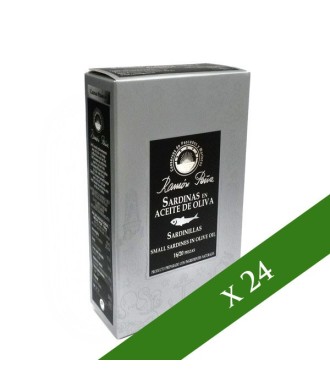
BOX x24 - Kleine Sardinen in Olivenöl von Ramón Peña 16/20 Stück
Alter Preis:132,00 € Preis:118,80 € Rabatt:10% Sparen Sie:-13,20 €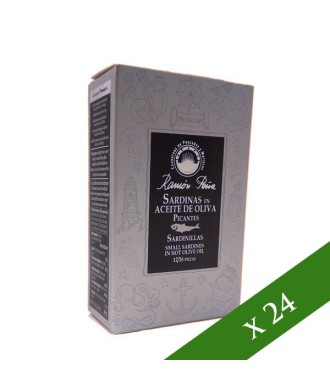
BOX x24 - Kleine Sardinen in scharfem Olivenöl von Ramón Peña 12/16 Stück
Alter Preis:132,00 € Preis:118,80 € Rabatt:10% Sparen Sie:-13,20 €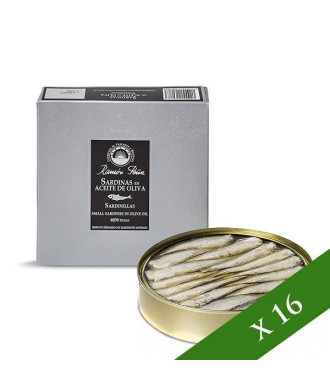
BOX x16 - Little sardines in olive oil Ramón Peña (40/50 units)
Alter Preis:254,40 € Preis:228,96 € Rabatt:10% Sparen Sie:-25,44 €
BOX x24 - "Xouba" fried stewed sardines from Galicia Ramón Peña "Black Label"
Alter Preis:194,40 € Preis:174,96 € Rabatt:10% Sparen Sie:-19,44 €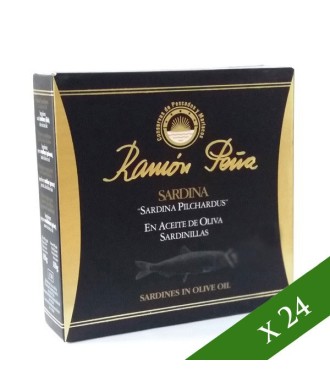
BOX x24 - Sardinen in Olivenöl 20/25 Stück Ramón Peña "Black Label"
Alter Preis:232,80 € Preis:209,52 € Rabatt:10% Sparen Sie:-23,28 €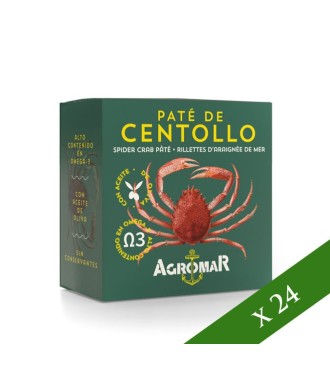
BOX x24 - Agromar Seespinnepastete
Alter Preis:70,80 € Preis:63,72 € Rabatt:10% Sparen Sie:-7,08 €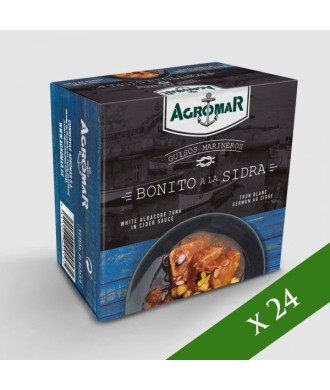
BOX x24 - Bonito mit Apfelwein Agromar
Alter Preis:228,00 € Preis:205,20 € Rabatt:10% Sparen Sie:-22,80 €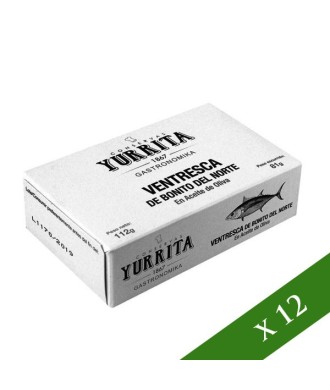
BOX x12 - “Ventresca” Weißer Thun in Olivenöl Yurrita
Alter Preis:130,80 € Preis:117,72 € Rabatt:10% Sparen Sie:-13,08 €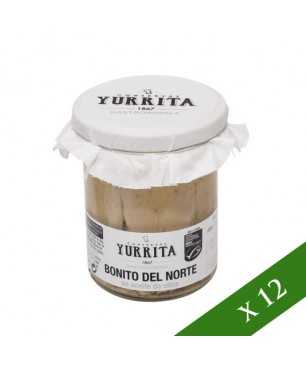
BOX x12 - Weißer Thun von Yurrita in Olivenöl Extravergine 190grs
Alter Preis:106,80 € Preis:96,12 € Rabatt:10% Sparen Sie:-10,68 €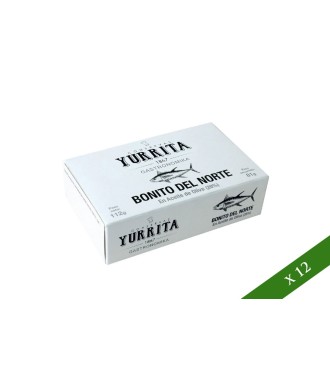
BOX x12 - Albacore tuna in olive oil Yurrita - 112gr
Alter Preis:41,40 € Preis:37,26 € Rabatt:10% Sparen Sie:-4,14 €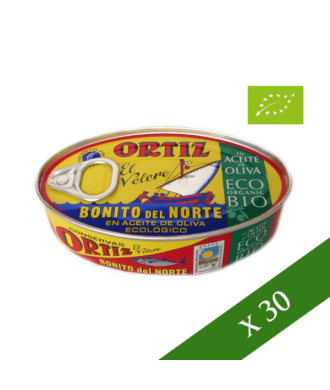
BOX x30 - Ortiz Thunfisch der Sorte Bonito del Norte (Weißer Thunfisch) in Bio-Olivenöl 112gr.
Alter Preis:135,00 € Preis:121,50 € Rabatt:10% Sparen Sie:-13,50 €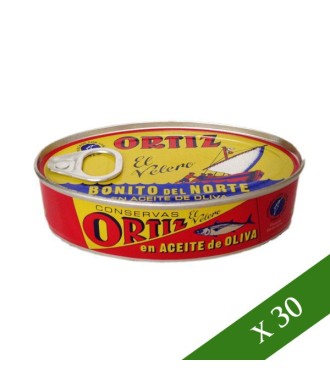
BOX x30 - Ortiz Thunfisch der Sorte Bonito del Norte (Weißer Thunfisch) in Olivenöl 112gr
Alter Preis:117,00 € Preis:105,30 € Rabatt:10% Sparen Sie:-11,70 €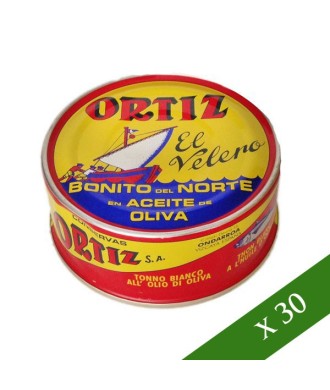
BOX x30 - Ortiz Thunfisch der Sorte Bonito del Norte (Weißer Thunfisch) in Olivenöl 250gr
Alter Preis:297,00 € Preis:267,30 € Rabatt:10% Sparen Sie:-29,70 €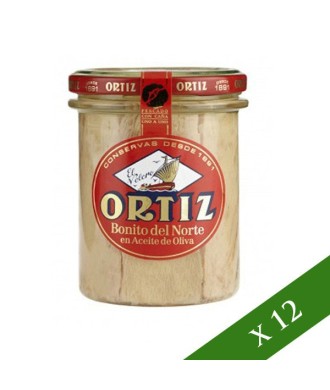
BOX x12 - Thunfisch Ortiz der Sorte Bonito del Norte in Olivenöl
Alter Preis:110,40 € Preis:99,36 € Rabatt:10% Sparen Sie:-11,04 €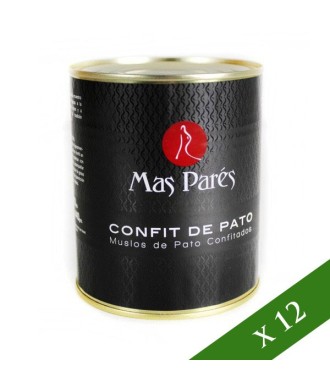
BOX x12 - Enten-Confit Mas Parés (2 Portionen)
Alter Preis:286,80 € Preis:258,12 € Rabatt:10% Sparen Sie:-28,68 €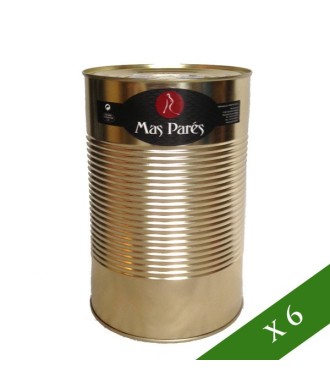
BOX x6 - Enten-Confit Mas Parés (10 Entenkeulen)
Alter Preis:569,40 € Preis:512,46 € Rabatt:10% Sparen Sie:-56,94 €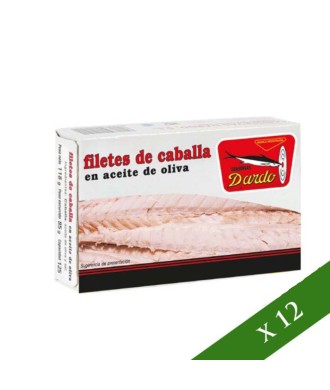
BOX x12 - Makrelenfilet in nativem Olivenöl ökologisch extra Minerva 120g
Alter Preis:34,80 € Preis:31,32 € Rabatt:10% Sparen Sie:-3,48 €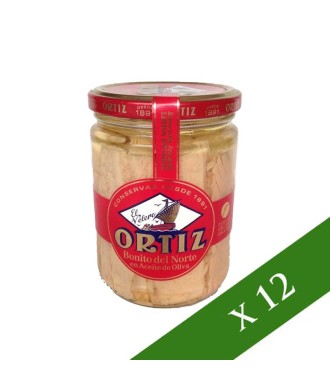
BOX x 12: Weißer Thunfisch Ortiz (ganze Lendenstücke) 400g
Alter Preis:166,80 € Preis:150,12 € Rabatt:10% Sparen Sie:-16,68 €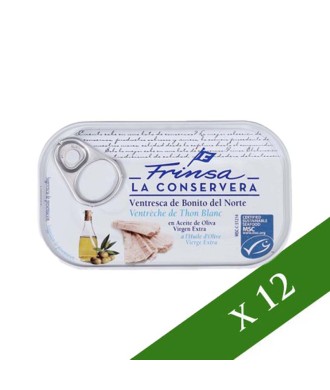
BOX x 12: Weißer Thunfisch Bauch Thunfisch in Olivenöl 111g Frinsa
Alter Preis:154,80 € Preis:139,32 € Rabatt:10% Sparen Sie:-15,48 €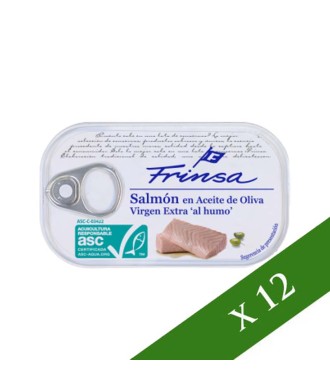
BOX x 12: Räucherlachs in nativem Olivenöl extra 120 g Frinsa
Alter Preis:82,80 € Preis:74,52 € Rabatt:10% Sparen Sie:-8,28 €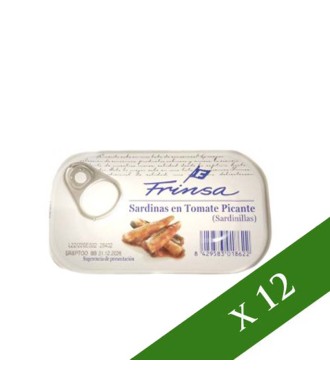
BOX x 12: Sardinen in pikanter Tomate Frinsa 88g
Alter Preis:46,80 € Preis:42,12 € Rabatt:10% Sparen Sie:-4,68 €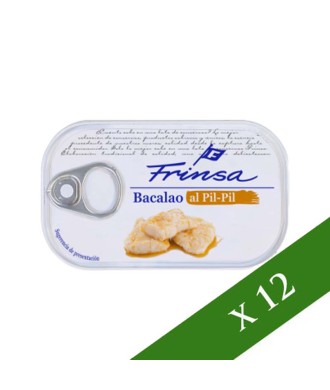
BOX x 12: Kabeljau in Pil Pil-Sauce 120 g Frinsa
Alter Preis:82,80 € Preis:74,52 € Rabatt:10% Sparen Sie:-8,28 €Ähnliche Beiträge
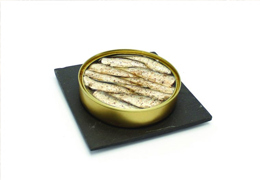 Gehende grüne - Mittel Sardinen und Sardellen essen.
Veröffentlicht in: Verschiedene26/06/2017733 Gefällt mirNicht nur in Spanien die Sardinen und Sardellen Konserven immer sehr beliebt waren. Eine kleine Geschichte der...Weiter lesen
Gehende grüne - Mittel Sardinen und Sardellen essen.
Veröffentlicht in: Verschiedene26/06/2017733 Gefällt mirNicht nur in Spanien die Sardinen und Sardellen Konserven immer sehr beliebt waren. Eine kleine Geschichte der...Weiter lesen Sorten von Oliven in Frankreich
Veröffentlicht in: Olivenöl25/01/2017626 Gefällt mirFrankreich ist das siebte Olivenöl produzierende Land. Trotzdem ist seine Produktion sehr knapp und deckt kaum 3,5%...Weiter lesen
Sorten von Oliven in Frankreich
Veröffentlicht in: Olivenöl25/01/2017626 Gefällt mirFrankreich ist das siebte Olivenöl produzierende Land. Trotzdem ist seine Produktion sehr knapp und deckt kaum 3,5%...Weiter lesen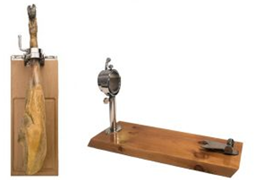 Wie wählen Sie Ihren idealen Schinkenhalter? Die eine an der Wand oder eine auf den Tisch legen?
06/07/20171056 Gefällt mirBei der Ankunft des Winters, mit ihren Festen und Weihnachtsfeiern, sind wir scharf darauf, Qualitätsschinken unter...Weiter lesen
Wie wählen Sie Ihren idealen Schinkenhalter? Die eine an der Wand oder eine auf den Tisch legen?
06/07/20171056 Gefällt mirBei der Ankunft des Winters, mit ihren Festen und Weihnachtsfeiern, sind wir scharf darauf, Qualitätsschinken unter...Weiter lesen Paprika und Mittelmeer-Diät. Warum es ist so wichtig und wertvoll?
Veröffentlicht in: Verschiedene13/03/2017745 Gefällt mirPaprika sind eine der Hauptbestandteile der Mittelmeer-Küche, vor allem im Sommer. Gekocht oder roh, beide Wege...Weiter lesen
Paprika und Mittelmeer-Diät. Warum es ist so wichtig und wertvoll?
Veröffentlicht in: Verschiedene13/03/2017745 Gefällt mirPaprika sind eine der Hauptbestandteile der Mittelmeer-Küche, vor allem im Sommer. Gekocht oder roh, beide Wege...Weiter lesen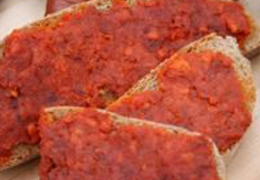 Sobrassada: eine balearische Delikatesse
Veröffentlicht in: Verschiedene19/07/2014589 Gefällt mirSausages are delicious, right? In sandwich, with some bread, some others with anything else... but today we are going...Weiter lesen
Sobrassada: eine balearische Delikatesse
Veröffentlicht in: Verschiedene19/07/2014589 Gefällt mirSausages are delicious, right? In sandwich, with some bread, some others with anything else... but today we are going...Weiter lesen Die Dehesa ein einzigartiges Ökosystem in der Welt
24/11/2016751 Gefällt mirDie Dehesa ist der natürliche Lebensraum des Iberischen Schweines, es handelt sich um ein einzigartiges Ökosystem, so...Weiter lesen
Die Dehesa ein einzigartiges Ökosystem in der Welt
24/11/2016751 Gefällt mirDie Dehesa ist der natürliche Lebensraum des Iberischen Schweines, es handelt sich um ein einzigartiges Ökosystem, so...Weiter lesenChatten Sie mit uns auf WhatsApp
Rufen Sie uns an oder hinterlassen Sie Ihre Daten und wir rufen Sie so schnell wie möglich zurück
- Käse
-
Jabugo (Huelva) Schinken