This website uses its own and third-party cookies to improve our services and show you advertising related to your preferences by analyzing your browsing habits. To give your consent to its use, press the Accept button.
Cookie preferences
Functional cookies
Technical
No
Yes
Description and cookies
Functional cookies are strictly necessary to provide the services of the shop, as well as for its proper functioning, so it is not possible to refuse their use. They allow the user to browse through our website and use the different options or services that exist on it.
| Cookie | Provider | Purpose | Expiry |
|---|---|---|---|
| PHP_SESSID | www.jamonarium.com | The PHPSESSID cookie is native to PHP and allows websites to store serialised status data. On the website it is used to establish a user session and to pass state data through a temporary cookie, which is commonly known as a session cookie. These Cookies will only remain on your computer until you close your browser. | Session |
| PrestaShop-# | www.jamonarium.com | This is a cookie used by Prestashop to store information and keep the user's session open. It stores information such as currency, language, customer ID, among other data necessary for the proper functioning of the shop. | 480 hours |
| rc::a | It is used to read and filter bot requests. | Persistent | |
| rc::c | It is used to read and filter bot requests. | Persistent |
Advertising Cookies
No
Yes
Description and cookies
These are cookies that collect information about the advertisements shown to users of the website. They can be anonymous, if they only collect information about the advertising spaces shown without identifying the user, or personalised, if they collect personal information about the user of the shop by a third party, for the personalisation of these advertising spaces.
| Cookie | Provider | Purpose | Expiry |
|---|---|---|---|
| ads/ga-audiences | These cookies are used by Google AdWords to re-engage visitors that are likely to convert to customers based on the visitor’s online behaviour across websites. | Session |
Analytics cookies
No
Yes
Description and cookies
Collect information about the user's browsing experience in the shop, usually anonymously, although sometimes they also allow the user to be uniquely and unequivocally identified in order to obtain reports on the user's interests in the products or services offered by the shop.
| Cookie | Provider | Purpose | Expiry |
|---|---|---|---|
| _ga | Registers a unique ID that is used to generate statistical data on how the visitor uses the website. | 2 years | |
| _gat | Used by Google Analytics to throttle request rate | 1 day | |
| _gat_gtag_UA_# | Used to throttle request rate. | 1 minute | |
| _gd# | This is a Google Analytics Session cookie used to generate statistical data on how you use the website which is removed when you quit your browser. | Session | |
| _gid | Registers a unique ID that is used to generate statistical data on how the visitor uses the website. | 1 day |
Excellent  4,9 / 5 (View the 18.922 reviews)



-
Ham
- Whole with bone
-
Boneless
- Cut in slices
- Whole sliced
- Ham types
-
Bellota Ibérico 100% Pata Negra Ham
-
Jabugo (Huelva) Ham
- Salamanca Hams
- Extremadura Hams
- Córdoba Hams
- .Jamón ecológico
- Bellota Ibérico 50% Ham
- Cebo de Campo ibérico Ham
- Cebo ibérico Ham
- Serrano Gran Reserva Ham
- Jamones Joselito
- Sausages
- Whole Dry-cured Sausage
- Sliced Dry-cured Sausage
- Iberico sausages
- León Sausages
-
Types of sausages
- Cheeses
- Whole cheese
- Cheese in portion
- Sheep Cheese
- Cow Cheeses
- Goat Cheeses
- Dry Cured Cheeses
- Semi Cured Cheeses
- Cheese Packs
-
Cheese Brands
- DO Idiazabal
- Sant Gil Albió
- Mas El Garet
- BETARA
- Viriato
- Zanetti
- Dorrea
- Beiardi
- Rosario Castaño
- Other cheese brands
- Gourmet
- Foie Gras & Pâtés
- Seafood
-
Spanish Canned Fish
- Breadsticks
- Tradicional Dishes
- Olives & Appetizers
- Pulses & Vegetables
- Sweets
- Packs with Gourmet Products
- Gourmet Cans in BOXES
- Gourmet - Brands
- Ramón Peña
- Mas Parés
- Agromar & Arbeyal
- Felipe II Shortbreads
- Imperia
- Mareterra Conservas
- Dardo
- Ortiz
- Yurrita
- Marzo
- Casa Riera Ordeix
- Frinsa
- Ribeira
- Herpac
- Greco Foie Gras
- La Luna
- Los Peperetes
- Bodega Coruña del Conde
- Pago de los Capellanes
- Oil
- Arbequina
- Picual
- Coupage
- Hojiblanca
- Cornicabra
- Manzanilla
- Organic
- With aromas
- Vinegar and dressings
- Olive oil in BOX
- Olive oil in Cans
- Large Format Olive Oil
- Premium Olive Oil
- Olive Oils with Awards
- Olive Oil Packs
-
The best oil mills
- Almazaras de la Subbetica
- Más Tarrés (Olis Solé)
- Oro Bailen
- Cortijo de Suerte Alta
- Oro del Desierto
- Vergara BIO
- Wines
- Spanish red wine
- White wine
- Canned Wines
- Vinos Rosados
- Organic wines
- Sparkling wine (Cava & Champagne)
- Natural wine
- Classic wines
- Sangría
- Vermouth
- Whisky
- Wine packs
-
Wine BY BOX
- Price
- Origine
- D.O. Rioja
-
D.O. Ribera del Duero
- D.O. Priorat
- D.O. Somontano
- AOC Bordeaux
- D.O. Empordà
- D.O. Rias Baixas
- D.O. Bierzo
- D.O. Montsant
- D.O. Rueda
- D.O. Penedés
- D.O. Terra Alta
- D.O. La Mancha
- D.O. Cava
- Other D.O.
- Accessories
SearchSay something...
Nothing found. Please repeat.
Unsupported browser. Sorry...
WishListCart 0There are no more items in your cart
Blog navigationThe Impact of Iberian Ham on Gastronomic Tourism in Spain
Spain is internationally recognized as one of the most sought-after tourist destinations on the planet, not only for its climate and historical heritage, but also for its unparalleled culinary richness. Within this offering, there is a true ambassador that tops the wish list of millions of travelers: Iberian ham .
tourism in Spain has experienced exponential growth in recent years, transforming from a holiday add-on to a primary reason for travel. Within this context, the world of Iberian ham has developed its own tourism ecosystem, popularly known as "jamonoturismo" (ham tourism ).
In this Jamonarium article , we analyze in depth how the culture of Iberian ham boosts the country's economy, attracts visitors from all corners of the globe, and revitalizes the Spanish rural environment through unforgettable gastronomic experiences.
Spain as a Mecca of Gastronomic Tourism: The Role of Iberian Ham
Food travel has become a global trend. Today's tourists are no longer just looking to visit monuments; they want authentic sensory experiences and to connect with the local culture .
Gastronomic tourism in Spain attracts millions of international visitors each year, drawn by the Mediterranean diet, tapas, and products with protected designation of origin. Among them all, acorn-fed Iberian ham holds the title of star product.
Tasting a freshly cut slice of Iberian ham in its place of origin is more than just a meal: it's about understanding a traditional process that takes years, from raising the pigs free-range to the slow curing in natural cellars. This unique character makes Iberian ham an ideal magnet for the discerning traveler seeking exclusivity and tradition.
The Iberian Ham Routes: Journeys to the Cradle of Quality
Just as with wine tourism and wine routes, Spain's main producing regions have developed Iberian ham routes . These tourist routes allow travelers to explore the landscapes where this gastronomic gem originates and discover the four Protected Designations of Origin (PDOs) for Iberian ham:
Nestled in the Sierra de Aracena and Picos de Aroche mountains, the small town of Jabugo has become a pilgrimage destination for food lovers. Its mountain microclimates and centuries-old wineries offer a magical atmosphere for travelers.
2. Extremadura Dehesa Route (Badajoz and Cáceres)
Extremadura boasts the largest expanse of dehesa (pastureland) in the world. Its tourist routes combine observing Iberian pigs grazing among holm oaks with hiking trails, agritourism, and visits to castles and historical landmarks.
3. Guijuelo Ham Route (Salamanca)
A pioneer in the industrialization and export of Iberian ham, the Guijuelo region offers facilities where family tradition meets technology to cure hams in the cold wind of the Gredos and Béjar mountain ranges.
4. Los Pedroches Route (Cordoba)
Located in the north of the province of Córdoba, this area stands out for preserving a virgin pasture ecosystem and for the production of 100% acorn-fed Iberian products with an extraordinary flavor.
Ham Tourism Experiences : What does the gourmet traveler look for?
The impact of Iberian ham on the tourism sector has resulted in an increasingly varied and professional range of activities. Local agencies and wineries now offer immersive experiences designed to engage all the senses:
- Guided tours through the dehesa: Tourists explore the Mediterranean forest accompanied by experts who explain the importance of the holm oak tree, the acorn, and the life of the Iberian pig during the montanera season .
- Visits to traditional drying sheds and cellars: Discovering the silence and aromas of a natural cellar where thousands of ham legs hang is one of the most impactful experiences for the traveler.
- Knife-cutting workshops and paired tastings: Learning the art of hand-cutting from a professional master cutter and pairing Iberian ham with fine, fortified or aged red wines is an essential activity on any tourist itinerary.
- Museums and Interpretation Centres: Spaces dedicated to disseminating the history, science and folklore surrounding the world of the Iberian pig.
Economic Impact and Sustainability in Rural Spain
The economic impact of Iberian ham tourism goes far beyond restaurants or delicatessens. It plays a strategic social and environmental role for our country:
- A way to combat rural depopulation: Pastureland and wineries are located in small towns. Gastronomic tourism generates direct and indirect employment (rural hotels, guides, transport, restaurants), helping to retain population in what is known as "Empty Spain."
- Conservation of the Dehesa: The dehesa is a unique ecosystem in the world, an example of sustainable development. The profitability of Iberian ham tourism incentivizes livestock farmers to protect this biodiverse woodland from abandonment or overexploitation.
- Deseasonalization of tourism: Gastronomic tourism does not depend on sun and sand. It operates year-round, registering very high peaks in autumn and winter during the acorn season.
Bring the Tourist Experience to Your Own Table with Jamonarium
It's not always possible to pack your suitcase and head to the mountains of Huelva, Salamanca, Córdoba, or Extremadura. Luckily, gastronomy has the magical power to transport our senses without us ever leaving our living room.
At Jamonarium , we meticulously select the finest hams from their regions of origin and send them directly to your home. Whether you choose a whole ham, boneless, or pre-sliced , hand-carved Iberian ham in vacuum-sealed packets , we guarantee the same freshness and quality you would experience at a tasting in the heart of the dehesa (pastureland).
Frequently Asked Questions (FAQ) about Iberian Ham Tourism
What's the best time of year to take an Iberian ham tour? Although you can visit curing sheds year-round, the peak season is between November and March . This coincides with the montanera , the period when Iberian pigs graze freely, feeding on acorns in the dehesa (pastureland), allowing you to see the animals in their natural environment.
What exactly is ham tourism ? It's a branch of gastronomic tourism focused on the dissemination, tasting, and enjoyment of the world of Iberian ham. It includes everything from walks through the pastureland to visits to traditional drying facilities, ham carving workshops, and sensory tastings.
Can you take a tour of ham farms with children? Yes! It's a fantastic activity for families. Little ones love strolling through the countryside, seeing the animals roaming freely, and learning how such a popular food is made.
Can you buy Iberian ham at the wineries to take abroad? Yes, although if you are traveling by plane (especially outside the European Union), it is highly advisable to buy sliced and vacuum-packed ham , as it complies with most international customs health regulations.
In conclusion, Iberian ham is much more than our most celebrated gastronomic product: it's culture, landscape, rural economy, and an unforgettable tourist experience. If you're planning your next culinary tour of Spain or want to relive its best flavors from home, explore the Jamonarium catalog and let yourself be seduced by authentic Iberian tradition.
Related posts
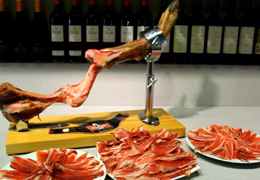 How can we use serrano and ibérico bellota spanish ham bone?
28/02/2018755 LikesAmong gastronomy, cookers and gourmet fooding lovers; it is well known the bone of iberico de bellota and serrano...Read more
How can we use serrano and ibérico bellota spanish ham bone?
28/02/2018755 LikesAmong gastronomy, cookers and gourmet fooding lovers; it is well known the bone of iberico de bellota and serrano...Read more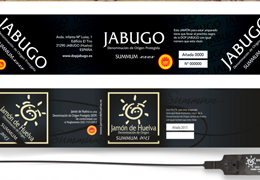 The D.O. Huelva hams become DO Jabugo
12/03/20181889 LikesOne of the great ham events on 2017 is the change of name of DO Huelva, which became DO Jabugo. This change includes...Read more
The D.O. Huelva hams become DO Jabugo
12/03/20181889 LikesOne of the great ham events on 2017 is the change of name of DO Huelva, which became DO Jabugo. This change includes...Read more The salting of Ibérico ham: the key of the salt
11/04/2018494 LikesThe salting Ibérico ham process is one the most important steps in the elaboration process. This is a delicate...Read more
The salting of Ibérico ham: the key of the salt
11/04/2018494 LikesThe salting Ibérico ham process is one the most important steps in the elaboration process. This is a delicate...Read more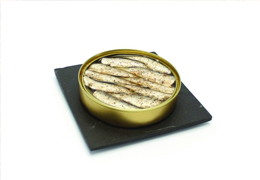 Canned sardines and fish: a brief explanation
Posted in: Other26/06/2017733 LikesSardines and anchovies are very appreciated in and outside Spain. I propose to get into the history of Sardinophilie...Read more
Canned sardines and fish: a brief explanation
Posted in: Other26/06/2017733 LikesSardines and anchovies are very appreciated in and outside Spain. I propose to get into the history of Sardinophilie...Read more Sorts of Iberian Ham: we clear it up
27/01/20182056 LikesEvery Iberian ham is normally known as Jamón de Jabugo or Jamón de Pata Negra without taking into account the purity...Read more
Sorts of Iberian Ham: we clear it up
27/01/20182056 LikesEvery Iberian ham is normally known as Jamón de Jabugo or Jamón de Pata Negra without taking into account the purity...Read more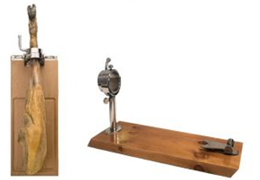 How to choose your perfect ham holder? Over-table or wall ham holder?
06/07/20171056 LikesWith the arrival of winter, festivities and christmas holidays we love enjoying the best fooding products as hams....Read more
How to choose your perfect ham holder? Over-table or wall ham holder?
06/07/20171056 LikesWith the arrival of winter, festivities and christmas holidays we love enjoying the best fooding products as hams....Read moreChat with us on WhatsApp
Call us or leave your details and we'll call you back asap
- Price
- Cheeses
-
Jabugo (Huelva) Ham
